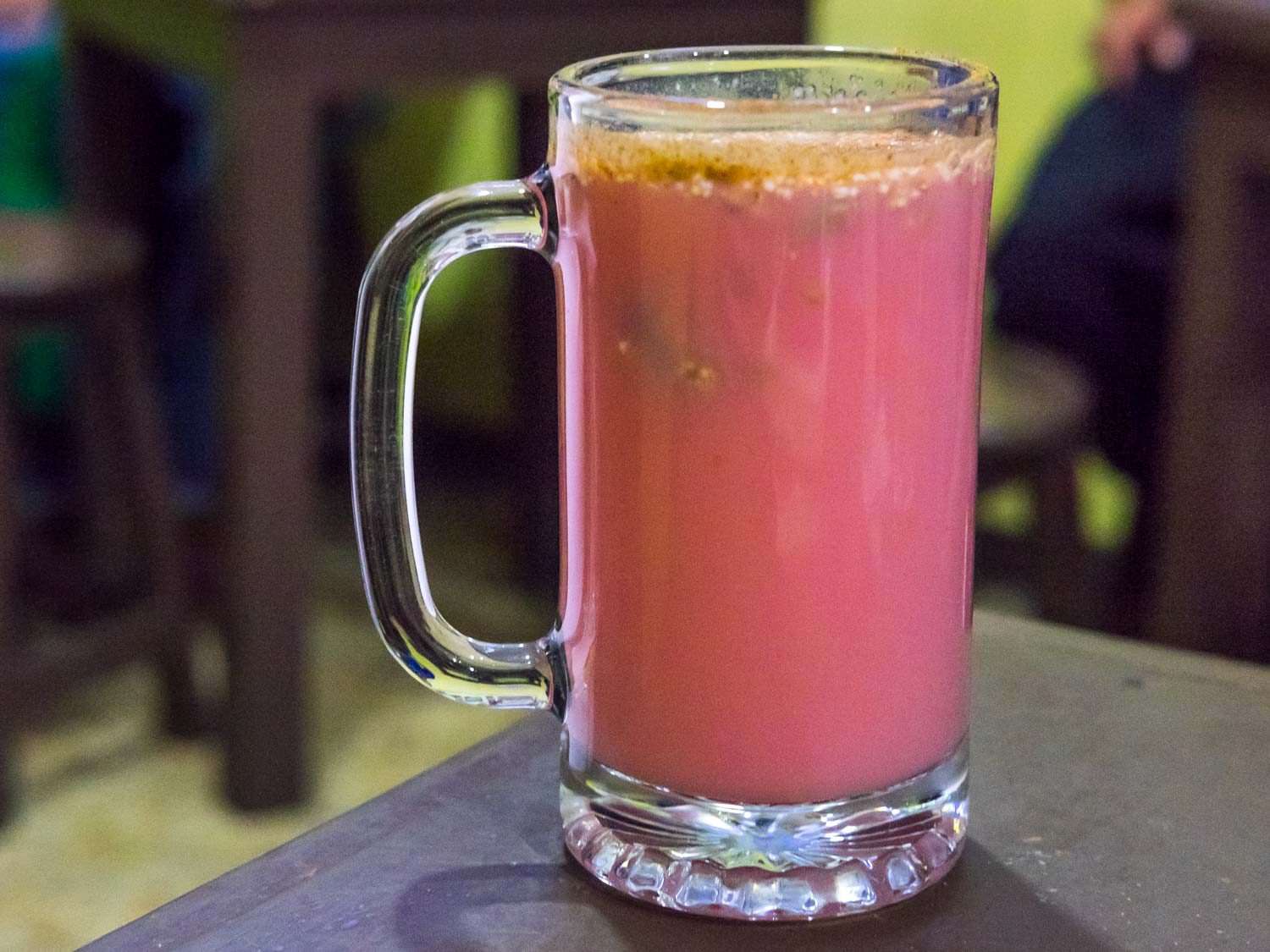
I remember my first sip of pulque like it was yesterday—standing in a dimly lit pulqueria in Mexico City’s historic center, the air thick with chatter and the faint, yeasty aroma that hinted at something ancient. I’d wandered in on a whim during a backpacking trip years ago, curious about this milky concoction locals raved about as the “drink of the gods.” It hit my tongue with a surprising fizz, a tangy sweetness that danced between yogurt and light beer, leaving me hooked and a bit buzzed. That moment sparked a fascination that’s taken me from dusty agave fields in Hidalgo to modern bars reviving this forgotten gem. If you’ve ever wondered about Mexico’s oldest booze, the one that predates tequila by centuries, join me on this journey through pulque’s rich world—its myths, making, and magic that still captivates today.
Unraveling the Myth: What Is Pulque?
Pulque stands out as a traditional Mexican fermented drink crafted from the sap of the maguey plant, a type of agave. It’s milky white with a slight viscosity, offering a low alcohol content around 4-7% that makes it more like a session beer than a spirit.
Unlike its distilled cousins, pulque ferments naturally, preserving live cultures that give it probiotic perks. I’ve savored it fresh from the source, where its subtle effervescence and earthy notes feel alive in a way bottled drinks rarely do.
This beverage isn’t just a sip—it’s a cultural thread weaving through Mexico’s history, from sacred rituals to everyday toasts.
The Ancient Roots: Pulque’s Storied History
Pulque’s origins stretch back over 2,000 years to Mesoamerican civilizations, where it was revered as a gift from the gods. In Aztec lore, the goddess Mayahuel birthed it from her body, symbolizing fertility and nourishment.
Reserved for priests, warriors, and the elite, it played key roles in ceremonies before the Spanish arrival changed everything. Post-conquest, it became widely available, peaking in popularity during the 19th century with thousands of pulquerias dotting Mexico.
My own dive into old texts during a research trip revealed how it fueled revolutions and daily life, only to fade against beer’s rise—yet now, it’s rebounding as folks rediscover its heritage.
From Sacred Elixir to Everyday Brew
Early pulque was tied to divine myths, like the tale of Mayahuel and her 400 rabbit children representing intoxication levels. Colonizers tried banning it, deeming it immoral, but it persisted.
By the 1900s, it symbolized Mexican identity amid political shifts. Tasting it at a festival in Apan, I felt connected to those ancient stories—each gulp a nod to resilience.
Today, revival efforts blend tradition with tourism, keeping the legend alive.
The Decline and Modern Revival
Industrial beer and urban changes nearly killed pulque in the 20th century, dropping pulqueria numbers dramatically. Stigmas around hygiene didn’t help.
But passionate producers and hip bars are flipping the script, introducing flavored versions to new crowds. I’ve witnessed this shift in Mexico City spots where young folks mix it into cocktails—proof it’s evolving without losing soul.
This comeback highlights pulque’s enduring appeal in a fast-paced world.
How Pulque Is Made: From Agave to Glass
Production starts with mature maguey plants, aged 8-12 years, where tlachiqueros—skilled harvesters—scrape out the core to collect sweet aguamiel sap. This happens twice daily for months.
The sap ferments naturally in vats, thanks to wild yeasts and bacteria, turning sugary into tangy alcohol in days. No distillation here—just pure, living fermentation.
Watching this process on a Hidalgo farm, I marveled at the hands-on craft; it’s labor-intensive but yields that fresh, fizzy result you can’t replicate easily.
- Select a mature agave salmiana or similar variety for optimal sap.
- Remove the flowering stalk to redirect energy to the piña core.
- Scrape the cavity daily to extract up to 6 liters of aguamiel per plant.
- Ferment in wooden or plastic barrels for 1-3 days, stirring occasionally.
- Bottle or serve fresh to capture peak flavor before it sours.
The Role of Tlachiqueros
These experts climb plants with acocote gourds to suck up sap, a skill passed down generations. It’s risky work, dodging spines and weather.
One tlachiquero I met shared tales of his family’s century-old methods—pure dedication. Without them, pulque vanishes.
Their craft ensures authenticity in an era of mass production.
Natural Fermentation Secrets
Wild microbes from the environment drive the magic, creating lactic acid for that sour kick. No added yeast needed.
Experiments in my kitchen mimicking this showed how temperature affects fizz—warmer for faster ferment, cooler for milder taste.
This unpredictability adds to pulque’s charm, each batch unique.
Tasting Pulque: Flavors and Varieties
Plain pulque offers a mildly sweet, tart profile with yeasty undertones, like kombucha meets sourdough. It’s refreshing, not overpowering.
Curados amp it up—blended with fruits like pineapple or strawberry, nuts, or even oatmeal for creaminess. These tame the viscosity for newcomers.
My favorite? A guava curado on a hot day—fruity burst cutting through the funk, turning skeptics into fans with one sip.
Classic Natural Pulque
Unflavored, it’s opaque and frothy, with a subtle alcohol warmth. Best fresh, as it spoils quickly.
Sipping it straight in a traditional jicara bowl evokes ancient vibes. I’ve converted friends who balked at the look—taste wins every time.
It’s versatile for mixing or enjoying solo.
Popular Curado Flavors
From piña colada to berry blends, curados extend shelf life and appeal. Strawberry adds sweetness; celery brings savory twist.
At a market stall, I tried a peanut version—nutty richness balancing the acid. Endless options keep it exciting.
These innovations help pulque reach global palates.
Cultural Significance: Pulque in Mexican Life
Pulque weaves into festivals, art, and folklore, symbolizing national pride. Murals by Diego Rivera celebrate it as folk heritage.
In rural communities, it’s shared at gatherings, fostering bonds. Urban revival ties it to identity amid globalization.
Experiencing a pulque festival, with music and dances, showed me its role in joy and tradition—more than a drink, it’s community.
Pulque in Art and Literature
Writers like Octavio Paz referenced it in poems; artists depicted its harvest. It represents indigenous roots.
Seeing Rivera’s murals up close, pulque scenes leaped out—vibrant testaments to cultural depth.
This artistic nod underscores its timeless relevance.
Modern Social Role
Today, pulquerias serve as social hubs, blending old-school charm with new crowds. Some host live music or tastings.
I’ve made friends over shared mugs, conversations flowing as freely as the drink. It’s a bridge between generations.
This evolution keeps pulque vital in contemporary Mexico.
Health Benefits and Nutritional Value
Packed with probiotics from fermentation, pulque aids digestion and gut health, much like yogurt. It’s rich in vitamins B, C, and minerals like iron.
Historical uses treated ailments from fever to anemia. Moderation is key—its live cultures can upset sensitive stomachs.
After a bout of travel tummy, a mild sip surprisingly settled mine—nature’s remedy in action.
- Boosts immunity with beneficial bacteria.
- Provides natural energy from simple sugars.
- Supports bone health via calcium content.
- Offers antioxidants from agave compounds.
- Hydrates with high water content.
Common Myths and Misconceptions
Some call it slimy or gross—blame old stereotypes. Fresh pulque is smooth, not snot-like.
It’s not just for drunks; nutritional value elevates it. And no, it won’t explode if handled right—though fermenting pressure is real.
Busting these in talks with locals cleared up my own doubts early on.
How to Make Pulque at Home
Sourcing aguamiel is tough outside Mexico, but agave nectar proxies work. Mix with water, add starter culture like from yogurt.
Ferment in a cool spot for days, tasting daily. Safety first—sanitize everything to avoid bad batches.
My home experiments yielded decent results, though nothing beats authentic. Start small for fun.
Essential Tools for Home Brewing
A large jar for fermentation, acocote-like siphon, and thermometer help. Glass over plastic for purity.
I grabbed basics from a craft store—affordable entry. For pros, invest in pH strips.
These make the process approachable.
Step-by-Step Recipe
Dilute agave syrup, inoculate with culture, cover loosely. Stir gently over days.
Bottle when bubbly. My first batch was tangy success—proud moment.
Adjust flavors post-ferment for custom curados.
Where to Find and Drink Pulque
In Mexico, hit pulquerias like Las Duelistas in CDMX for authentic vibes external link to Serious Eats guide. Rural Hidalgo farms offer tours.
Abroad, specialty stores like Old Town Tequila sell canned versions external link. Online retailers ship flavored packs.
For more spots, check our internal map of top Mexican drinks destinations.
Best Pulquerias in Mexico City
Las Duelistas boasts century-old murals and fresh pulls. La Risa offers classic atmosphere.
Visited both—Las Duelistas’ energy won me over. Great for first-timers.
These icons preserve tradition.
Buying Pulque Online
Sites like Ramirez Liquor carry natural and flavored cans external link. Easy shipping to US.
Tried a strawberry pack—convenient for home tastings. Stock up for parties.
Quality varies, so read reviews.
Comparing Pulque to Other Agave Drinks
Pulque differs from tequila and mezcal in process and profile—fermented sap vs. distilled hearts.
| Drink | Base | Process | ABV | Taste |
|---|---|---|---|---|
| Pulque | Agave sap | Fermentation | 4-7% | Tangy, milky |
| Tequila | Blue agave heart | Distillation | 40% | Sharp, earthy |
| Mezcal | Various agave hearts | Distillation, often smoked | 40-50% | Smoky, complex |
Pulque’s gentler buzz suits casual sipping.
Pros and Cons of Pulque
Pros shine in its probiotic punch and cultural depth, making it a healthful indulgence. Low ABV means less hangover risk.
Cons include short shelf life and acquired taste—viscosity turns some off. Availability limits access.
Weighing them, benefits outweigh for adventurers like me.
- Pros: Rich in nutrients, supports local traditions, versatile flavors.
- Cons: Can spoil quickly, mild alcohol for some, sourcing challenges.
People Also Ask
Based on common Google queries, here’s the scoop on pulque questions that pop up often.
What does pulque taste like?
It’s tangy and slightly sweet, with a yeasty fizz reminiscent of kombucha or sour beer. The viscosity adds a unique mouthfeel.
Fresh ones are refreshing; curados bring fruity twists. My first taste was an acquired delight—give it a chance.
Variations depend on fermentation time.
Is pulque the same as tequila?
No—pulque ferments agave sap, while tequila distills the heart of blue agave for higher proof.
They’re family but worlds apart in strength and style. Sampling both clarified this for me.
Pulque’s the ancient precursor.
What are the health benefits of pulque?
Probiotics aid gut health, vitamins boost immunity, and it’s a natural energy source.
Historically medicinal, it’s low-cal too. I felt revitalized after moderate sips.
Consult docs for personal advice.
How alcoholic is pulque?
Around 4-7%, similar to light beer—mild buzz without overkill.
Fermentation stage affects it. Perfect for social sipping in my experience.
Enjoy responsibly.
Can you make pulque at home?
Yes, with agave nectar and cultures, though authentic sap’s ideal.
Simple setup yields results. My trials were fun experiments.
Resources abound online.
Best Tools for Enjoying Pulque
For enthusiasts, grab a traditional jicara mug for authentic drinking external link to Amazon jicara.
Fermentation kits help home brewers external link to homebrew supplies.
These elevate your pulque game affordably.
FAQ
What is pulque made from?
Fermented sap of maguey agave, called aguamiel—natural process yields the milky drink.
No additives in traditional versions. Fascinating simplicity.
Key to its uniqueness.
Is pulque good for you?
Yes, with probiotics and nutrients, but moderation matters due to alcohol.
Historical health claims hold some truth. Felt benefits myself.
Balanced diet companion.
Where can I buy pulque in the US?
Specialty liquor stores or online like Old Town Tequila offer canned options.
Imported fresh is rare. Stocked up for friends—worth the hunt.
Check local Mexican markets.
How does pulque differ from mezcal?
Pulque ferments sap mildly; mezcal distills roasted hearts for smoky potency.
Different experiences entirely. Prefer pulque’s lightness.
Both agave stars.
Can pulque go bad?
Quickly—ferments further into vinegar. Refrigerate and consume fresh.
Learned this after a warm batch soured. Timing is everything.
Canned lasts longer.
Wrapping this up, pulque isn’t just a beverage—it’s a portal to Mexico’s soul, blending ancient wisdom with modern zest. From that first curious sip in a bustling pulqueria to sharing homemade batches with friends, it’s enriched my travels and tastes. Whether you’re chasing history, health, or a unique buzz, pulque delivers. Dive in, explore a pulqueria if you can, and let this godly drink surprise you. Who knows? It might become your new favorite too.
(Word count: 2,812)