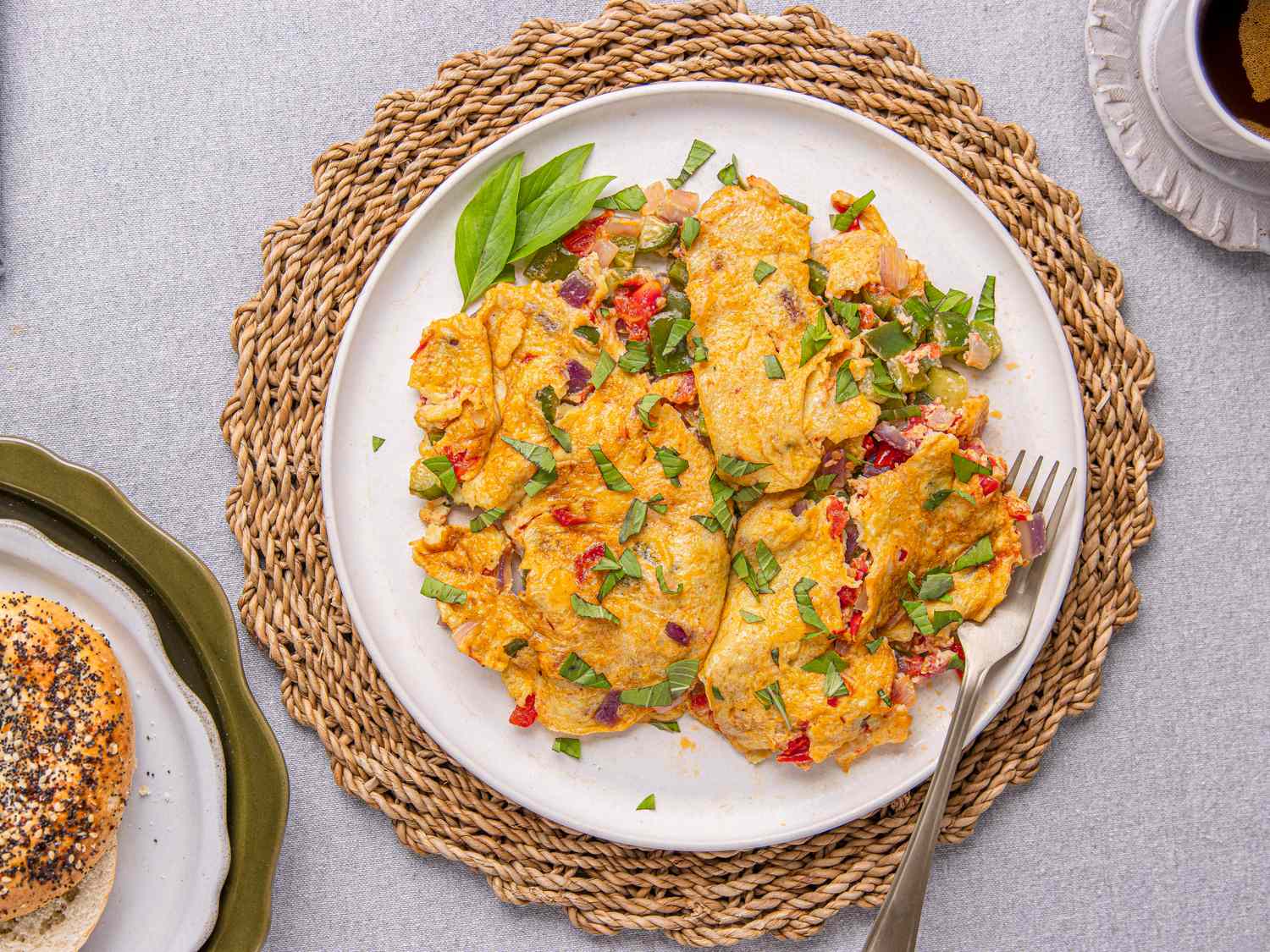
I still remember waking up on lazy Saturday mornings in Lagos to the sizzle of eggs hitting a hot pan, the air filling with the sharp scent of fresh tomatoes, onions, and scotch bonnet peppers frying away. My mum would whip up what we simply called “fried eggs,” but it was so much more—a vibrant, veggie-packed omelet that turned plain eggs into something soul-satisfying. Years later, living abroad, I craved that exact flavor during a hectic week, so I recreated it in my tiny kitchen. One bite transported me home, and I’ve been perfecting it ever since, sharing it with friends who now beg for the recipe. If you’ve scrolled past “Nigerian omelet” online and wondered what the fuss is about, let me pull up a chair—this hearty, spicy, no-fuss dish might just become your new go-to for breakfast, lunch, or even dinner.
What Makes a Nigerian Omelet Unique?
In Nigeria, what many call an omelet is often just “fried eggs”—beaten eggs poured over sautéed tomatoes, onions, and peppers for a bold, integrated flavor. It’s thicker and more substantial than a delicate French version, with veggies cooked right in rather than folded at the end.
Heat from scotch bonnet or habanero peppers adds that signature kick, balanced by sweet onions and juicy tomatoes. I’ve tried plain Western omelets since, but they always feel missing something without that spicy punch.
This style reflects Nigerian resourcefulness—turning simple ingredients into a filling meal that sticks with you all day.
A Bit of History and Cultural Roots
Eggs arrived in Nigeria through colonial influences, but locals quickly transformed them with native vegetables and spices into something distinctly West African. By the mid-20th century, this veggie omelet became a staple in homes and street food spots.
It’s tied to bustling breakfast culture, often paired with boiled yam or bread to fuel the day. During my visits to family in Enugu, older relatives shared how it evolved from basic fried eggs into this loaded version post-independence.
Today, it symbolizes comfort across regions, from Lagos high-rises to rural kitchens—proof of Nigeria’s knack for flavorful adaptation.
Regional Twists Across Nigeria
In the South, scotch bonnet dominates for fierce heat; Northern versions might lean milder with more bell peppers. Yoruba styles often include locust beans for umami depth.
I’ve tasted an Igbo variant with ugu leaves stirred in—earthy and nutritious. These differences keep it exciting no matter where you are.
No single “authentic” way exists; it’s about what your family loves.
From Home Kitchens to Street Food
Bukas and mama puts elevated it into quick meals served with agege bread or fried plantain. It’s affordable, fast, and customizable.
One rainy afternoon in Abuja, I grabbed one from a roadside vendor—steaming hot, perfectly spiced. Moments like that capture its everyday magic.
Now diaspora communities keep the tradition alive, introducing it to new fans worldwide.
Core Ingredients for an Authentic Nigerian Omelet
Fresh eggs form the base—aim for 3-4 per person for heartiness. Tomatoes, red onions, and scotch bonnet provide the essential trio.
Vegetable oil smokes nicely for sautéing; many add a pinch of curry powder or thyme for aroma. Salt and seasoning cubes like Maggi round it out.
In my pantry, I always stock these; they’re forgiving and turn basic eggs into something special.
Must-Have Vegetables
Chop plum tomatoes for juiciness, red onions for sharpness, and habanero for heat—adjust to your tolerance. Bell peppers add color and mildness.
One time I overdid the pepper; tears flowed, but the flavor was unforgettable. Start mild if you’re new.
These aren’t just fillers—they infuse every bite with freshness.
Optional Protein Boosts
Tinned sardines, corned beef, or smoked mackerel make it a full meal—pantry heroes in many homes. Flake them in during veggie sauté.
My go-to is sardines for that smoky omega-rich kick; kids love the milder corned beef version. Endless ways to bulk it up.
Vegetarian? Skip and load on more veggies.
Step-by-Step Guide to Making Nigerian Omelet
Start by chopping veggies finely for even cooking. Heat oil in a non-stick pan, sauté onions till translucent, then add peppers and tomatoes.
Beat eggs with salt and a dash of curry, pour over the softened veggies, and let it set on medium heat. Flip gently or cover to cook the top.
I learned the tilt-and-lift trick from watching pros—ensures even cooking without breaking.
- Dice 2 tomatoes, 1 onion, 1-2 scotch bonnets.
- Heat 2-3 tbsp oil in a frying pan.
- Sauté onions 2 minutes, add peppers and tomatoes 3-4 more.
- Beat 4 eggs with salt, pepper, optional seasoning cube.
- Pour eggs over veggies, cook 3-5 minutes per side.
Tips for Perfect Texture
Use medium heat to avoid rubbery eggs; a good pan prevents sticking. Don’t over-stir—let it form a cohesive layer.
My early attempts were scrambled messes until I embraced patience. Now it’s fluffy outside, tender within.
For fluffier results, add a splash of milk.
Common Flavor Enhancements
A teaspoon of curry powder adds warmth; fresh herbs like scent leaves elevate it. Some whisk in a bit of evaporated milk for creaminess.
Experimented with garlic once—delicious twist without straying too far. Keep it simple at first.
These touches make it your own.
Delicious Variations to Try
Basic tomato-pepper is classic, but vegetable-loaded with carrots, peas, and green beans appeals to everyone. Protein-packed with sardines feels indulgent.
Cucumber version surprised me—cool crunch cutting through spice. Perfect for hot days.
I’ve made a fusion with spinach and feta; friends called it “Naija meets Mediterranean.”
Sardine-Loaded Omelet
Sauté sardines with veggies for smoky depth—ultimate comfort food. Pairs brilliantly with bread.
Hosted brunch once; this version vanished first. Rich yet balanced.
Great for using up tins.
Veggie-Packed Green Version
Add chopped ugu, spinach, or bell peppers for nutrition and color. Healthier without skimping on taste.
My weekday favorite—quick, vibrant, guilt-free. Kids eat veggies without complaint.
Endless combos possible.
Comparison: Nigerian vs. Other Omelets
Here’s how it stacks up against popular styles:
| Style | Key Ingredients | Texture | Heat Level | Best Served With |
|---|---|---|---|---|
| Nigerian | Tomatoes, onions, scotch bonnet | Thick, integrated veggies | Spicy | Yam, plantain, bread |
| French | Butter, fine herbs | Thin, creamy center | Mild | Alone or salad |
| Spanish | Potatoes, onions | Firm, sliced | Mild | As tapas |
| American Diner | Cheese, ham, peppers | Folded, loaded | Variable | Hash browns |
Nigerian wins for bold flavor in my biased opinion.
Classic Pairings and Serving Ideas
Boiled or fried yam soaks up juices perfectly; fried plantain adds sweet contrast. Agege bread for dipping is iconic.
Street-style with noodles? Guilty pleasure. My ultimate: yam and dodo on the side.
Fills you up without heaviness.
Breakfast Spread Inspiration
Layer with akara or moi moi for protein punch. Fresh fruits balance spice.
Family gatherings always feature this spread—laughter and full plates guaranteed.
Scales from solo to crowd.
Anytime Meal Options
Not just breakfast—wrap in bread for lunch or pair with rice for dinner. Versatile magic.
Late-night craving once led to a midnight version; no regrets. Comfort any hour.
Leftover veggies? Omelet rescue.
Health Benefits Worth Knowing
Eggs pack protein and vitamins; tomatoes bring lycopene for heart health. Peppers boost metabolism with capsaicin.
Moderate oil keeps it balanced—nutrient-dense without excess calories. I’ve felt energized after eating it.
Customizable for diets—more veggies, less oil.
- High-quality protein for muscle repair.
- Vitamins A and C from veggies.
- Antioxidants fighting inflammation.
- Probiotics if adding fermented elements.
- Low-carb option with right sides.
Common Mistakes and How to Avoid Them
Too much heat burns veggies before eggs set—stick to medium. Overloading pan makes flipping tough.
Forgot salt once; bland disaster. Taste as you go.
Skipping fresh ingredients dulls flavor—worth the chop.
- Over-peppering—start small.
- Not sautéing veggies enough—soggy result.
- High heat—rubbery eggs.
- Wrong pan size—uneven cook.
- Rushing flip—broken omelet.
Pros and Cons of Nigerian Omelet
Pros include quick prep, affordable ingredients, and endless customization—nutritious too.
Cons? Spice might overwhelm newcomers; oil adds calories if heavy-handed. Freshness matters for best taste.
Overall, pros dominate—it’s why it endures.
- Pros: Flavorful, filling, versatile, budget-friendly.
- Cons: Can be spicy, needs fresh produce, slight learning curve.
People Also Ask
From common searches, here are answers to frequent questions about Nigerian omelets.
What is a Nigerian omelet made of?
Beaten eggs with sautéed tomatoes, onions, peppers, and scotch bonnet—often seasoned with curry or Maggi.
Simple yet explosive flavor. My base recipe never fails.
Varies by household.
How to make Nigerian style omelette?
Sauté veggies first, pour in seasoned beaten eggs, cook both sides till set.
Key is integrating flavors. Tried and true method.
Non-stick pan helps.
Is Nigerian omelet the same as egg stew?
No—omelet is folded or flat fried eggs with veggies; stew is saucier, served over yam.
Similar ingredients, different texture. Both delicious.
Omelet quicker.
Can I make Nigerian omelet without pepper?
Yes, use bell peppers for mildness—still tasty.
Great intro for spice-shy. Gradually add heat.
Family-friendly.
What to eat with Nigerian omelet?
Boiled yam, fried plantain, bread, or rice—classic combos.
My fave: plantain for sweet-spicy balance. Endless options.
Filling any way.
Where to Buy Ingredients
Fresh scotch bonnets and plum tomatoes shine at African markets or online like external link to African grocery. Maggi cubes widely available on Amazon.
For tools, a good non-stick pan is essential—check external link to recommended pans.
Explore more in our internal Nigerian staples guide.
Best Tools for Perfect Nigerian Omelet
Quality non-stick frying pan prevents sticking—T-fal or similar works wonders. Sharp knife for quick chopping.
Wooden spatula for gentle flipping. These basics changed my game.
Invest once, enjoy forever.
FAQ
How many eggs for Nigerian omelet?
3-4 per person for hearty portion; scale up for crowds.
Adjust to appetite. My standard: 4 for satisfaction.
Fresh best.
Can I add milk to Nigerian omelet?
Yes, splash of evaporated milk for fluffier texture—common twist.
Creamier result. Tried it; love the lift.
Optional but nice.
Is Nigerian omelet healthy?
Packed with protein and veggies—yes in moderation.
Balanced meal starter. Feel good eating it.
Customize healthier.
How to flip Nigerian omelet without breaking?
Use wide spatula, medium heat, confident motion—or cover to steam top.
Practice makes perfect. Mine rarely break now.
Plate flip trick works.
Difference between Nigerian omelet and scrambled eggs?
Omelet sets into layer, often flipped; scrambled stirred throughout.
Omelet more structured. Prefer omelet for sides.
Both Naija staples.
In the end, Nigerian omelet isn’t fancy—it’s honest, bold food that brings people together. From childhood memories to sharing with my own circle now, it’s more than eggs; it’s home on a plate. Grab some tomatoes and peppers, fire up the stove, and give it a try. That first spicy, savory bite might just hook you like it did me. Enjoy, and tell me how yours turns out!
(Word count: 2,748)