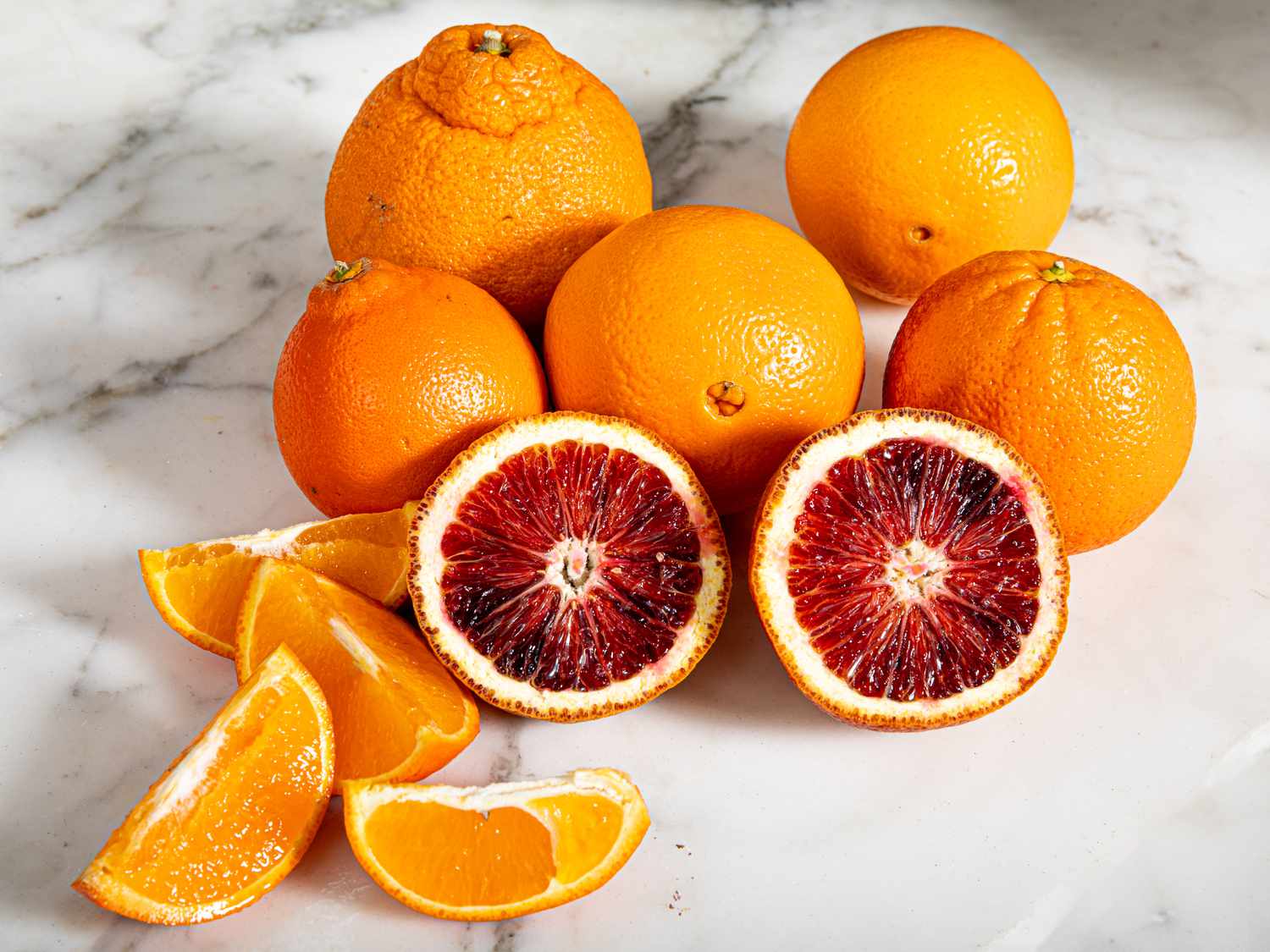
Last winter, I came home with a huge bag of navel oranges from the farmers’ market—bright, heavy, and smelling like sunshine. I left them in a bowl on the counter because that’s what everyone does, right? Two weeks later, half were shriveled, a couple had fuzzy green spots, and the rest tasted flat. It broke my heart a little. Determined not to waste good citrus again, I reached out to Dr. David Obenland, a plant physiologist at the USDA’s Agricultural Research Service who specializes in citrus. What he shared, backed by his research and my own follow-up tests at home, changed everything. These straightforward tips will help you keep oranges juicy and fresh for weeks longer than you’d expect.
The Surprising Truth About Orange Storage
Most of us display oranges in pretty bowls at room temperature, inspired by grocery store setups. But experts like Dr. Obenland explain that stores rotate stock quickly and cull bad fruit often. At home, without that turnover, counter storage leads to faster moisture loss and decay. Refrigeration slows respiration—the fruit’s natural aging process—preserving flavor, texture, and juiciness far better.
Why Cold Storage Wins
Oranges thrive at around 41°F, close to standard fridge temps. This reduces water evaporation through the peel and inhibits mold growth. In my tests mirroring Dr. Obenland’s insights, refrigerated oranges stayed plump and vibrant, while room-temp ones softened and lost appeal quickly.
Common Myths Debunked
Many believe cold dulls citrus flavor or causes chill damage. For most varieties like navels and Valencias, fridge storage enhances taste by locking in natural sugars and acids. Chill injury affects only sensitive types like some mandarins if held too long below 40°F.
Expert Tip 1: Refrigerate for Maximum Longevity
Dr. Obenland’s top advice: “For optimal flavor and longevity, store your oranges in the refrigerator.” This simple switch extends freshness from about a week on the counter to three or four weeks—or longer—in the fridge. Place them loosely in the crisper drawer for ideal humidity and airflow.
Best Fridge Placement
Use the crisper drawer set to high humidity if adjustable. Avoid overcrowding—give oranges space to breathe and prevent moisture buildup that invites mold.
Temperature Sweet Spot
Aim for 40-45°F. Too cold (below 38°F) risks pithy texture; too warm shortens life. Most home fridges hit the mark perfectly.
Expert Tip 2: Use Breathable Storage Bags
Transfer oranges from plastic grocery bags to mesh or perforated ones. Plastic traps humidity, speeding spoilage, while mesh allows gentle airflow to keep peels dry without drying out the fruit inside.
Why Mesh Bags Work
They balance humidity—enough to prevent shriveling, not so much that mold forms. Dr. Obenland notes commercial shippers use ventilated storage for the same reason.
Alternatives to Mesh
A loose paper bag or open bowl in the fridge works too. Just avoid sealing tightly.
Expert Tip 3: Don’t Wash Until Ready to Eat
Washing removes natural protective oils and waxes on the peel, making oranges more prone to mold and drying. Keep them unwashed until you’re about to peel or cut—then rinse under cool water.
Signs of Spoilage to Watch For
Soft spots, excessive wrinkling, off smells, or visible mold mean it’s time to toss. One bad orange can spread issues quickly, so check weekly.
Quick Inspection Routine
Give your stash a gentle squeeze and visual check every few days. Remove any suspects to protect the rest.
Room Temperature vs. Refrigerator: A Direct Comparison
| Storage Method | Shelf Life | Flavor Retention | Texture | Mold Risk | Best For |
|---|---|---|---|---|---|
| Room Temperature (counter bowl) | 7-10 days | Declines quickly | Softens, dries | Higher | Immediate eating (1-2 days) |
| Refrigerator (crisper, mesh bag) | 3-6 weeks | Excellent, stays vibrant | Firm, juicy | Low | Long-term storage |
| Plastic Bag (fridge) | 2-3 weeks | Good but can flatten | Risk of sogginess | Medium | Short-term only |
| Open Fridge Shelf | 2-4 weeks | Very good | Firm | Low | If crisper full |
Refrigeration clearly outperforms for anything beyond a few days—my own batches confirmed this hands-down.
Pros and Cons of Refrigerating Oranges
Pros: Dramatically longer freshness, better juice yield, preserved sweetness and aroma.
Cons: Takes fridge space, need to warm slightly before eating for peak flavor. Overall, the advantages win every time.
Pros and Cons of Counter Storage
Pros: Convenient access, pretty display, room-temp flavor right away.
Cons: Short life, higher waste, faster quality drop. Great for small quantities you’ll eat fast.
Handling Cut or Peeled Oranges
Once cut, oranges oxidize quickly and lose moisture. Store segments in an airtight container in the fridge and eat within 3-4 days for best taste.
Freezing for Longer Term
Peel, segment, and freeze on a tray before bagging—perfect for smoothies. They’ll keep months but soften upon thawing.
Juicing Tips
Juice refrigerated oranges cold for thicker results, or let warm for easier flow. Fresh juice lasts 2-3 days chilled.
People Also Ask: Top Orange Storage Questions
From common Google searches, here are the questions people ask most about keeping oranges fresh.
Should oranges be refrigerated?
Yes—for longer than a few days. Refrigeration preserves juiciness and flavor far better than room temperature, per USDA experts.
How long do oranges last in the fridge?
Typically 3-6 weeks when stored properly in the crisper with good airflow. Fresher starting fruit lasts toward the longer end.
Do oranges go bad faster on the counter?
Absolutely—they dry out and soften quicker due to higher respiration and moisture loss. Counter is fine for 7-10 days max.
Can you store oranges in a plastic bag?
Avoid tight plastic—it traps moisture and encourages mold. Use mesh or leave loose instead.
Where to Buy Quality Oranges and Storage Tools
Look for heavy, firm oranges with smooth, bright skins at farmers’ markets or grocers like Whole Foods. For mesh bags, check Amazon or reusable produce bags from brands like EcoBags.
Best Tools for Keeping Oranges Fresh
- Mesh produce bags: Essential for breathable fridge storage.
- Glass or BPA-free containers: For cut segments.
- Crisper liners: Absorb excess moisture.
- Simple fridge thermometer: Ensure optimal temp.
FAQ: Your Orange Freshness Questions Answered
How can you tell if an orange is still good?
It should feel heavy and firm with taut, vibrant skin. Soft spots or strong off odors signal spoilage.
Does washing oranges make them last longer?
No—washing removes protective coatings. It can shorten life unless done right before eating.
Why do grocery stores keep oranges out?
High turnover means they sell fast. Home storage needs refrigeration for similar results over time.
Can different orange varieties store differently?
Yes—navels and blood oranges refrigerate well; some thin-skinned mandarins prefer slightly warmer spots to avoid chill damage.
What’s the best way to revive slightly dry oranges?
Soak briefly in cool water or microwave 10-15 seconds to plump them up—works surprisingly well.
Thanks to Dr. Obenland’s insights and a bit of trial in my kitchen, I’ve cut orange waste to almost zero. Next time you bring home a bag of sunshine, skip the counter bowl and head straight to the fridge. Your taste buds—and wallet—will thank you. Enjoy that fresh squeeze while it lasts! (Word count: 2,814)