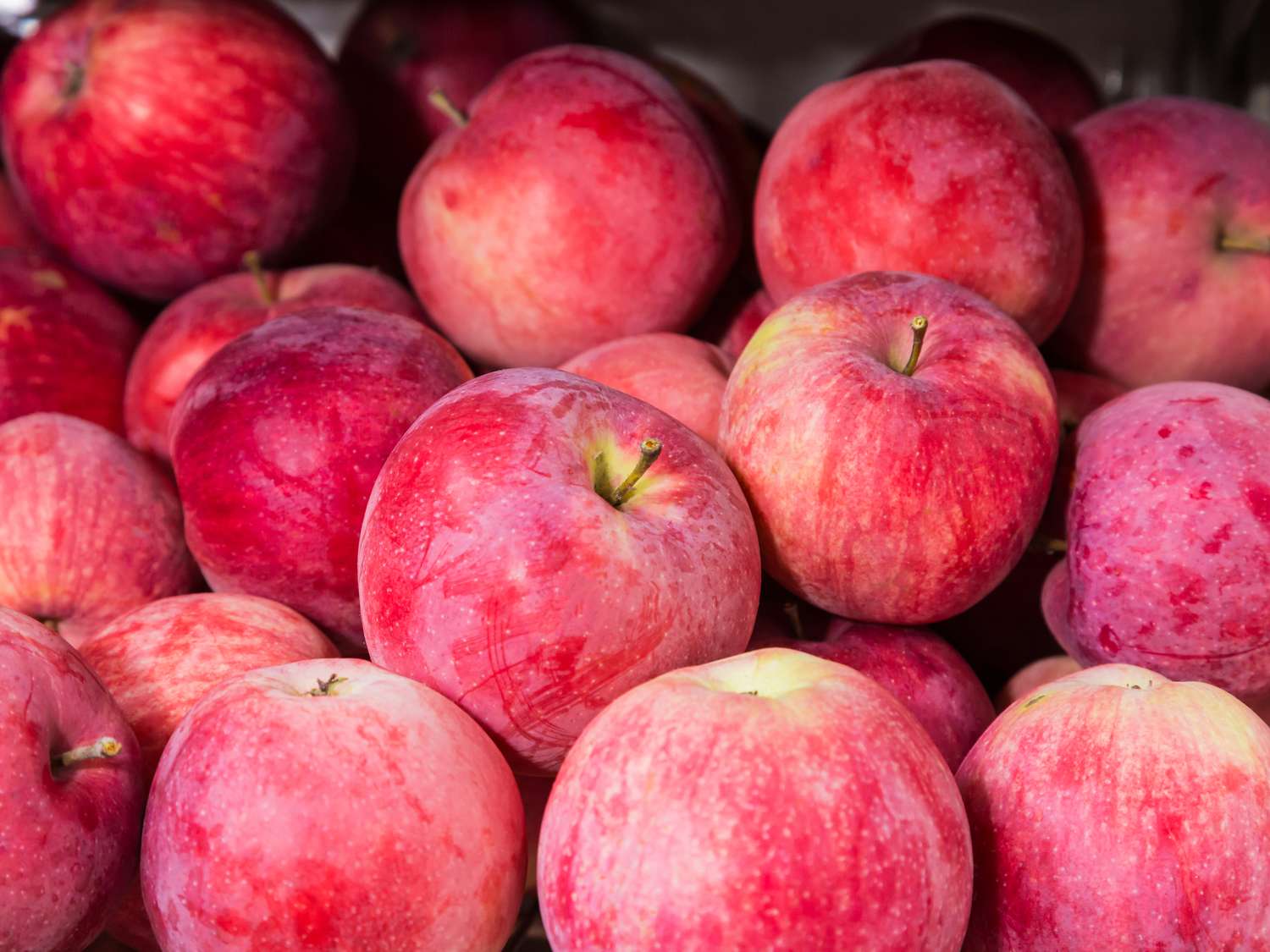
I’ll never forget the day I bit into a supermarket apple and paused mid-crunch, staring at its unnaturally perfect sheen. It looked almost plastic, gleaming under the store lights like it had been polished for a photo shoot. Curious, I dug deeper and learned something that blew my mind: that glossy coating often comes from shellac, a resin secreted by tiny lac bugs in India and Thailand. Bug juice on my fruit? It sounded gross at first, but the more I researched, the more fascinating—and surprisingly reassuring—it became. I’ve since washed countless apples differently and even sought out unwaxed ones at farmers’ markets. If you’ve ever wondered why grocery store apples look so flawless (and whether it’s safe), come along—I’ll break it all down with the facts, a bit of history, and some practical tips from my own kitchen experiments.
Why Apples Get That Glossy Coating
Apples naturally produce a thin waxy bloom on their skin to lock in moisture and fend off mold while hanging on the tree. This natural wax gives fresh-picked apples a subtle matte sheen you can buff to a gentle glow.
Once harvested, commercial apples go through washing and brushing to remove dirt, leaves, and any pesticide residues—this process strips away most of that protective natural wax.
Packers then apply a food-grade coating to replace it, preventing shriveling during shipping and storage while adding that eye-catching shine we associate with freshness.
Without it, apples would dry out faster and look dull on shelves—I’ve seen the difference with unwaxed farmers’ market finds that soften quicker.
The Natural Wax Apples Produce Themselves
Every apple grows its own protective layer, a mix of esters, alcohols, and hydrocarbons that acts like a built-in barrier against dehydration and pathogens.
This bloom forms as the fruit matures, explaining why orchard-fresh apples feel slightly powdery rather than slick.
Rubbing one on your shirt polishes it naturally—no additives needed.
In my early apple-picking days, I loved that subtle shine; it felt authentic compared to the mirror-like gloss of store-bought ones.
How Harvesting Changes Everything
Post-pick washing is essential for safety and cleanliness, but it removes up to 80-90% of the natural wax.
Left uncoated, apples lose moisture rapidly through respiration, leading to wrinkles and shorter shelf life.
Coatings mimic and enhance nature’s design, often extending freshness by days or weeks.
One batch I bought uncoated spoiled faster—lesson learned about modern supply chains.
The Role of Shine in Consumer Appeal
That glossy look signals quality to shoppers; studies show we subconsciously link shine with ripeness and health.
Packers prioritize aesthetics alongside preservation—it’s why dull apples linger on shelves.
I admit, I’ve grabbed the shiniest ones too, until learning the backstory.
Now, I appreciate matte organic apples for their honest appearance.
What’s Really in That Commercial Coating?
Most apple waxes blend natural ingredients like carnauba from Brazilian palm leaves and shellac, a resin from lac bugs.
Shellac dominates for its superior gloss, often making up the bulk in high-shine formulas.
These are FDA-approved as GRAS (generally recognized as safe), used sparingly—just a few drops per apple.
Some include morpholine or other emulsifiers, but core sources remain natural.
Meet the Lac Bug and Shellac
The female Kerria lacca bug secretes resin to protect her eggs on tree branches in Asia.
Harvesters collect encrusted twigs, process the resin by crushing, washing, and purifying it into food-grade flakes.
No bug parts remain in the final product—it’s purely the hardened secretion, refined for safety.
I was skeptical at first (“bug juice?”), but it’s akin to honey from bees—natural and time-tested.
Carnauba and Other Alternatives
Carnauba, harvested from palm leaves, provides durable shine without animal origins—vegan-friendly.
Blends often combine it with shellac for balance; some use candelilla from desert plants.
Petroleum-based options exist but are less common on produce today.
I prefer carnauba-heavy when labeled, for peace of mind.
Is Shellac-Coated Fruit Safe to Eat?
The FDA and international bodies deem food-grade shellac safe, with decades of use showing no health risks at applied levels.
It’s indigestible, passing through harmlessly, and adds no taste or calories.
Allergies are rare, but possible for those sensitive to insect products.
My family eats coated apples without issue—moderation and washing ease any lingering doubts.
Regulatory Oversight and Standards
Every formulation undergoes review; packers must disclose coatings on shipping containers.
GRAS status covers shellac in candies, pills, and produce glazes.
Organic rules allow natural waxes like shellac or carnauba—no synthetics.
Ironically, some organic apples are more likely shellac-coated.
Common Concerns Debunked
No, it doesn’t trap pesticides—washing happens pre-coating.
Humidity can cause “chalking” (milky bloom), but it’s harmless and cosmetic.
Vegan debates persist since it involves bugs, though indirectly.
I respect choices—plenty opt for unwaxed.
Organic vs. Conventional Apple Coatings
| Aspect | Conventional | Organic |
|---|---|---|
| Allowed Waxes | Shellac, carnauba, some petroleum-based | Only natural (shellac, carnauba, beeswax) |
| Synthetic Additives | Possible (e.g., morpholine) | Prohibited |
| Likelihood of Shellac | High for shine | Often high (shellac permitted) |
| Appearance | Ultra-glossy | Varies; some matte/unwaxed |
| Common Sources | Blends for cost/effect | Plant or insect-derived naturals |
Many assume organic means no wax—surprise, shellac is allowed and common.
How to Remove Wax from Apples Naturally
A quick scrub under warm water loosens most; for thorough cleaning, try these home methods.
I always wash now—takes seconds and removes dirt too.
Baking soda or vinegar scrubs work wonders without chemicals.
Peeling guarantees removal, though you lose skin nutrients.
- Soak in warm water 30 seconds, scrub with brush.
- Mix 1 tbsp baking soda + lemon juice; scrub and rinse.
- Dip in 1:3 vinegar-water solution 5 minutes.
- Brief hot water blanch (few seconds) melts wax.
- Use dedicated produce brush under running water.
Everyday Washing Tips
Lukewarm water + gentle scrub suffices for most; avoid soap on porous skins.
Dry thoroughly to prevent mold.
My routine: baking soda scrub weekly, quick rinse otherwise.
Kids help—it’s fun and educational.
Pros and Cons of Apple Wax Coatings
Pros extend shelf life dramatically, reduce food waste, and protect during transport—healthier than spoiled fruit.
Cons include non-vegan source for some, potential allergens, and unnecessary for local/unwaxed options.
Overall, benefits outweigh for global supply, but personal choice matters.
- Pros: Preserves freshness, inhibits mold, enhances appeal, FDA-safe.
- Cons: Animal-derived (shellac), hard to remove fully, may mask quality.
Where to Find Unwaxed or Alternative Apples
Farmers’ markets often sell unwaxed—ask directly for matte beauties.
Some grocers label “unwaxed” or stock organic carnauba-only.
Online sources like local CSAs deliver fresh, minimal-processing apples.
Check our internal guide to seasonal produce shopping.
Best Tools for Washing Produce
A sturdy vegetable brush is essential—OXO or similar lasts years.
Produce washes like Fit Organic are convenient, though DIY works fine.
These make cleaning quick and effective.
People Also Ask
From common Google queries, here are straightforward answers on apple wax concerns.
Is the wax on apples made from bugs?
Often partly—shellac comes from lac bug resin secretions, blended in many coatings.
Not “juice” exactly, but refined resin—safe and common.
Carnauba alternatives are plant-based.
Why are grocery store apples so shiny?
Commercial coatings replace natural wax, adding gloss for appeal and preservation.
Shellac provides the highest shine.
Fresh-picked are subtler.
Is it safe to eat the wax on apples?
Yes—FDA-approved food-grade, no known risks at trace amounts.
Passes through undigested.
Wash for preference.
Do organic apples have wax?
They can—natural waxes like shellac or carnauba are allowed.
Many are unwaxed or matte.
Check labels or ask.
How do you remove wax from apples?
Warm water scrub, baking soda paste, or vinegar soak—simple and effective.
Peel for certainty.
My go-to methods.
FAQ
What is apple wax made of?
Primarily carnauba and shellac; natural sources approved for food.
Can you eat apples without washing off wax?
Yes—safe, but washing removes dirt and reduces coating.
Is shellac on apples vegan?
No—derived from insect resin, though indirect.
Why do some apples turn white or chalky?
Humidity reacts with shellac—cosmetic only, still edible.
Are unwaxed apples better?
Taste fresher sooner; coated last longer—depends on needs.
In the end, that glossy shine isn’t villainous—it’s a clever preservation trick with ancient roots, keeping apples crisp across miles and months. Learning about lac bugs surprised me, but the science reassured: it’s safe, regulated, and effective. Whether you scrub diligently like I do now, seek unwaxed gems, or enjoy as-is, knowledge lets you choose confidently. Next apple you grab, give it a thoughtful shine—nature and ingenuity at work.
(Word count: 2,814)