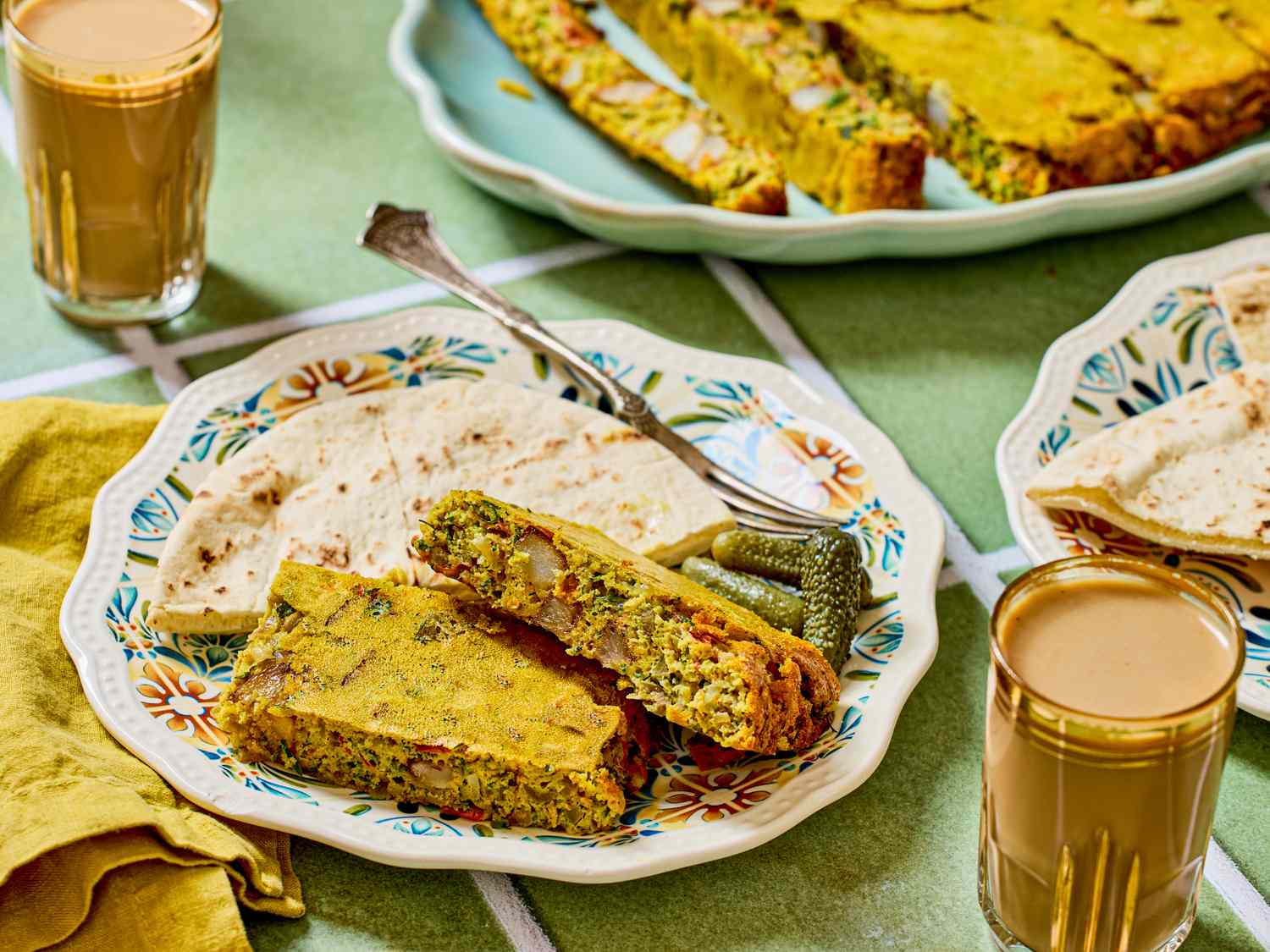
There’s something incredibly comforting about a dish that’s been around for millennia, isn’t there? I still remember my first bite of authentic eggah during a trip to Cairo years ago. Staying with a local family, I woke up to the aroma of fresh herbs and sizzling onions wafting from the kitchen. They served it warm, sliced into wedges alongside ful medames and baladi bread—it was hearty, flavorful, and felt like a hug on a plate. That experience hooked me, and I’ve been experimenting with eggah ever since. In this guide, we’ll dive deep into what makes this Egyptian staple so special, from its ancient roots to modern twists you can try at home.
What Is Eggah?
Eggah, sometimes spelled egga or ijeh, is a thick, baked egg dish that’s often described as Egypt’s answer to a frittata. Eggs act as the binder for a crowd of ingredients like herbs, vegetables, or even meat, creating a firm, sliceable texture that’s perfect hot or cold. Unlike lighter omelets, eggah is substantial and versatile, shining at breakfast, lunch, or as part of a mezze spread.
It’s seasoned with warm spices and packed with fresh greens, making it nutritious and satisfying. Families across Egypt have their own versions, passed down through generations.
The Rich History of Eggah
Eggah’s story stretches back thousands of years, with roots in ancient Egypt where eggs from Nile fowl were mixed into simple bakes. By medieval times, Arabic cookbooks documented ujja recipes—pan-fried or oven-baked omelets with herbs, milk, and starch.
This dish evolved through Abbasid influences, incorporating spices like cumin and coriander. Today, it reflects Egypt’s resourceful cuisine, using affordable eggs to stretch leftovers into something delicious.
Ancient Origins and Evolution
Archaeological finds suggest variations date to the Bronze Age around 3150 BCE. Wild fowl eggs along the Nile provided protein, baked with basic grains or herbs.
Over centuries, it adapted to Islamic culinary traditions, emphasizing balanced flavors and seasonal ingredients.
Regional Variations Across the Arab World
While distinctly Egyptian, eggah shares ties with Persian kuku or Levantine ijjeh. Palestinian versions might add flour for fluff, while Tunisian ojja includes merguez and tomatoes.
In Egypt, it’s often herb-heavy and vegetable-forward, embodying simplicity and heartiness.
Traditional Ingredients in Eggah
Classic eggah starts with eggs, onions, and loads of fresh herbs like parsley, dill, and cilantro. Spices such as cumin, coriander, turmeric, and cinnamon add warmth.
Fillings vary: leeks, spinach, potatoes, tomatoes, or ground meat for protein. Some recipes include a touch of flour or baking powder for lift.
- Fresh parsley and dill: For vibrant green color and flavor.
- Onions: Caramelized for sweetness.
- Eggs: The star binder, usually 8-12 for a family-sized dish.
- Spices: Cumin, coriander, turmeric, salt, and pepper.
Step-by-Step Guide to Making Authentic Eggah
Making eggah is straightforward—no fancy techniques required. Start by sautéing onions until soft, then mix in pre-cooked veggies or meat.
Whisk eggs with herbs, spices, and sometimes flour, fold in the fillings, and bake or stovetop cook until set. The result? Golden, aromatic perfection.
Basic Herb Eggah Recipe
This vegetarian version is my go-to for quick weeknights. It serves 4-6 and takes about 45 minutes.
Sauté onions in olive oil, add chopped herbs, then pour over whisked eggs seasoned with cumin and turmeric. Bake at 375°F for 20-25 minutes.
Variations with Vegetables or Meat
Try spinach and leeks for earthiness, or ground beef for heartiness—like the America’s Test Kitchen spin with cinnamon.
Zucchini or potatoes add texture; I’ve made a potato version that reminds me of Spanish tortilla but with Egyptian flair.
Here’s a comparison of popular eggah styles:
| Style | Key Fillings | Texture | Best Served |
|---|---|---|---|
| Classic Herb | Parsley, dill, onions | Light, green | With bread/salad |
| Spinach & Beef | Ground beef, spinach, leeks | Hearty, savory | Hot or room temp |
| Zucchini (Bi Kousa) | Zucchini, mint | Moist, fresh | Summer meals |
| Potato | Potatoes, spices | Dense, comforting | Weeknight dinner |
Pros of making eggah at home:
- Budget-friendly and uses pantry staples.
- Highly customizable—great for clearing fridge veggies.
- Nutritious: High protein, vitamins from herbs.
Cons:
- Can be soggy if fillings aren’t pre-cooked.
- Takes time to chop herbs finely.
- Higher calorie if meat-heavy.
Eggah vs. Similar Dishes: A Comparison
Eggah often gets compared to frittatas or shakshuka, but differences shine through. It’s firmer than a fluffy omelet, with eggs binding rather than starring.
Shakshuka poaches eggs in sauce; eggah bakes everything together.
| Dish | Origin | Cooking Method | Key Difference |
|---|---|---|---|
| Eggah | Egypt | Baked or stovetop | Thick, sliceable, herb-packed |
| Frittata | Italy | Stovetop + oven | Dairy often added, less spiced |
| Shakshuka | North Africa | Stovetop simmer | Eggs poached in tomato sauce |
| Kuku | Persia | Baked | Similar, but nuttier flavors |
Serving and Pairing Eggah
Eggah shines in Egyptian breakfast spreads with ful medames, ta’amiya (falafel), and fresh veggies. Slice into wedges and wrap in baladi bread.
Pair with pickles, tahini, or salad for contrast. It travels well for picnics—I’ve packed it cold for hikes.
Traditional Egyptian Breakfast Companions
No eggah is complete without:
- Ful medames: Slow-cooked fava beans.
- Fresh tomatoes, cucumbers, and onions.
- Baladi bread or pita for scooping.
Modern Twists and Global Appeal
Add feta for tang or mushrooms for umami. It’s naturally gluten-free if skipping flour, and vegan adaptations use chickpea flour.
People Also Ask
Based on common Google queries, here are answers to popular questions about eggah.
- What is eggah made of? Primarily eggs, fresh herbs like parsley and dill, onions, and spices. Fillings include vegetables or meat for heartiness.
- Is eggah the same as shakshuka? No—shakshuka poaches eggs in spicy tomato sauce, while eggah bakes a thick mixture into a cake-like dish.
- Can eggah be eaten cold? Yes, it’s delicious at room temperature or chilled, like Spanish tortilla.
- What’s the difference between eggah and frittata? Eggah is denser, often with flour for structure and bold Middle Eastern spices; frittatas are lighter with possible dairy.
- How do you pronounce eggah? Roughly “eh-gah” or “ij-jeh” in Levantine dialects.
Where to Find Authentic Eggah
In Egypt, eggah is homemade, but try street vendors or cafes in Cairo serving traditional breakfasts. Spots like those near Khan el Khalili offer variations.
For travelers, family-run eateries in older neighborhoods serve it fresh. Abroad, Middle Eastern markets or restaurants might feature it.
Best Tools for Making Eggah
A good nonstick or cast-iron skillet is essential for even cooking and easy flipping. Oven-safe pans allow finishing under the broiler.
Whisks for fluffy eggs and sharp knives for herb chopping make prep easier.
- Cast-iron skillet: Retains heat beautifully.
- Nonstick pan: Prevents sticking without excess oil.
- Baking dish: For larger, oven-baked versions.
FAQ
Is eggah healthy?
Absolutely—packed with protein from eggs and vitamins from herbs/veggies. Opt for olive oil and lean fillings for a balanced meal.
Can I make eggah ahead?
Yes, it reheats well or tastes great cold. Prepare up to 2 days in advance and store covered in the fridge.
What’s a vegetarian eggah like?
Herb-heavy with onions, parsley, and perhaps leeks or zucchini. It’s fresh, light, and my favorite for meatless days.
Do I need flour in eggah?
Traditional recipes sometimes add it for firmness, but many modern ones skip it for a purer egg texture.
How long does eggah bake?
Typically 20-30 minutes at 375°F, until set and golden. Stovetop versions take about 15 minutes covered.
Eggah isn’t just food—it’s a slice of Egyptian history on your plate, adaptable and always welcoming. Whether recreating my Cairo memories or starting your own tradition, give it a try. You’ll wonder how you lived without this versatile gem. For more inspiration, check Serious Eats’ take on Egyptian baked eggs or TasteAtlas for global variations. (Word count: 2,812)