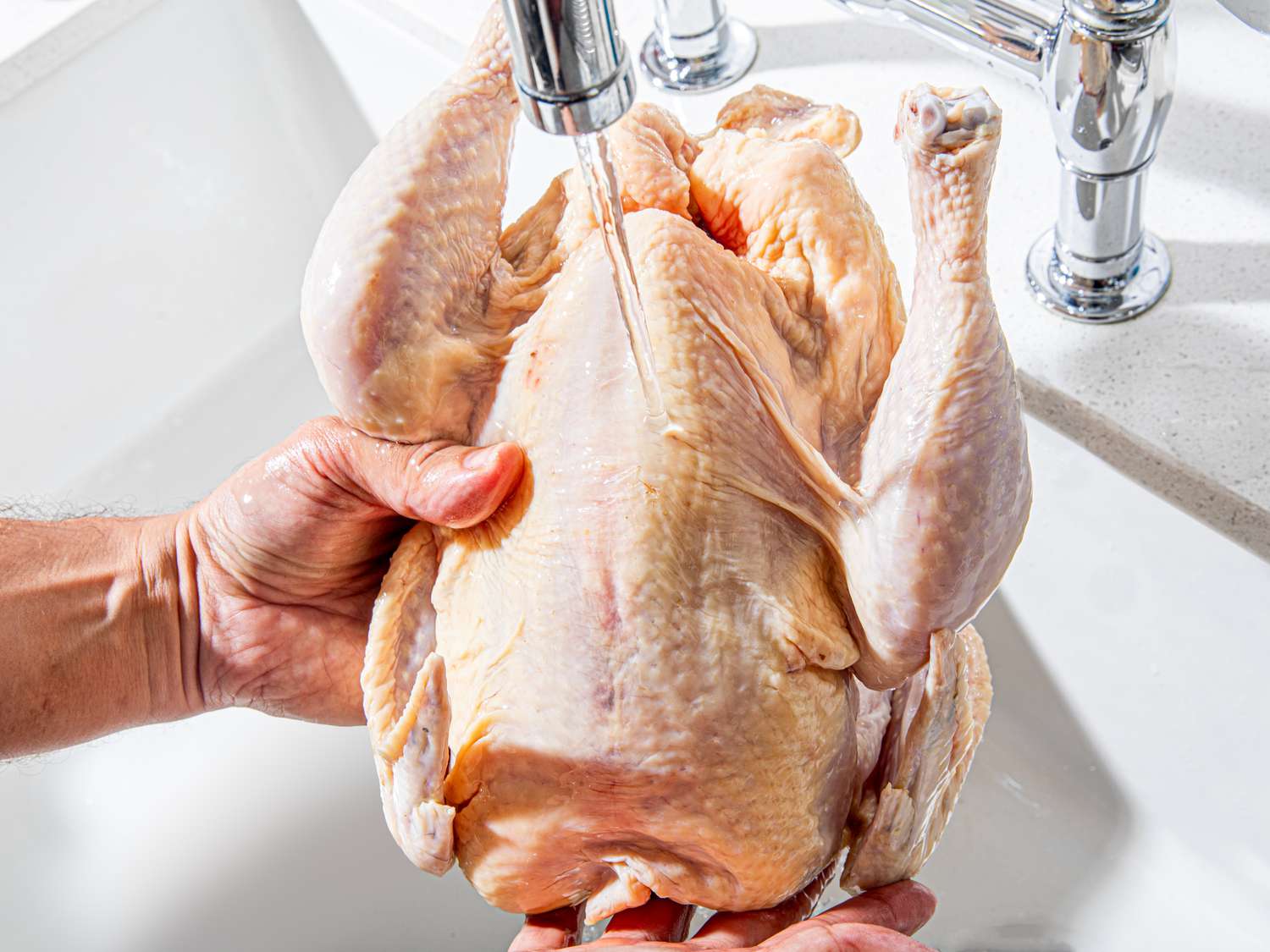
Picture this: It’s a busy Tuesday evening, and I’m in my kitchen, unpacking a fresh pack of chicken thighs from the grocery store. Growing up in a family where rinsing meat was as routine as setting the table, I used to turn on the faucet without a second thought. But one day, after reading about a nasty salmonella outbreak linked to poor kitchen habits, I paused. That got me digging deeper into the whole “should you wash chicken before cooking” dilemma. Turns out, the science is pretty clear on this, but cultural habits and old-school advice keep the debate alive. In this article, we’ll unpack the facts, bust some myths, and explore safe ways to handle poultry without risking your family’s health. Whether you’re a home cook skeptical of change or just curious about food safety, stick around—there’s more to this story than meets the eye.
The Long-Standing Debate on Washing Chicken
For generations, rinsing raw chicken under the tap has been a kitchen staple for many, often passed down from parents or grandparents as a way to “clean” the meat. But in recent years, health experts have flipped the script, warning that this habit might do more harm than good by splashing bacteria around. It’s a clash between tradition and modern science that leaves many cooks scratching their heads.
Why Many People Still Rinse Their Poultry
A lot of folks wash chicken to remove slime, blood, or that funky smell from packaging, thinking it makes the meat safer or tastier. In some cultures, it’s about skepticism toward factory processing—people want to ensure no feathers or debris linger. Plus, old recipes often instruct to rinse, reinforcing the practice even as evidence mounts against it.
Official Guidelines from Health Authorities
Bodies like the CDC and USDA strongly advise against washing raw chicken, emphasizing that cooking kills bacteria while rinsing spreads them. Their stance is backed by studies showing contamination risks in sinks and countertops. If you must remove something visible, they suggest patting with a damp paper towel instead.
The Science Behind Not Washing Chicken
Research consistently shows that washing doesn’t eliminate pathogens like salmonella—only heat does that effectively. Studies reveal that bacteria cling tightly to chicken surfaces, surviving rinses but easily aerosolizing in water droplets. This evidence has shifted expert recommendations toward safer prep methods.
Key Studies on Bacterial Spread
One USDA study found that 60% of people who washed chicken left bacteria in their sinks, with 26% contaminating nearby salad greens. Another experiment using high-speed cameras tracked water splashes carrying microbes up to three feet away. These findings highlight how rinsing turns your kitchen into a contamination zone.
How Salmonella and Other Pathogens Survive
Salmonella thrives in poultry intestines and can contaminate meat during processing, resisting simple washes. CDC estimates one in 25 chicken packages carries it, leading to a million illnesses yearly. Rinsing just disperses these bugs, increasing cross-contamination odds without reducing the load on the meat itself.
Risks of Washing Raw Chicken
Splashing water from rinsing can send bacteria flying onto counters, utensils, and even your clothes, setting the stage for foodborne illness. It’s like inviting germs to a party in your kitchen—they spread fast and uninvited. The real danger lies in underestimating how far those droplets travel.
Cross-Contamination in the Kitchen
Bacteria from chicken juices can hitch a ride on water droplets, landing on ready-to-eat foods like veggies or bread. Studies show this happens in up to 26% of washing scenarios, turning a simple salad into a health hazard. Cleaning up afterward is crucial but often overlooked in the rush.
Health Impacts of Foodborne Illnesses
Salmonella infections cause diarrhea, fever, and cramps, hitting kids and elders hardest with potential hospitalization. Annually, poultry-linked bugs sicken over a million Americans, with some cases leading to long-term issues like arthritis. Prevention starts with skipping the rinse to cut exposure risks.
Common Mistakes That Amplify Risks
Many forget to sanitize sinks post-rinse, leaving germs behind even after wiping. Using the same board for chicken and veggies without washing in between compounds the problem. Rushing through prep without proper handwashing turns minor slips into major outbreaks.
Cultural and Historical Reasons for Washing Chicken
In many households, especially in immigrant or Southern families, washing chicken stems from times when birds were freshly slaughtered and needed cleaning. It’s a ritual that builds trust in the food, even if science says otherwise. My own grandma swore by it, claiming it made fried chicken taste “fresher”—hard to argue with that warmth.
Roots in Traditional Practices
Enslaved Black communities often dealt with subpar meat, rinsing to remove dirt or off-flavors from poor handling. This evolved into a cultural norm, symbolizing care and cleanliness. Today, it persists as a way to connect with heritage amid modern food systems.
Global Perspectives on Poultry Prep
In India or the Caribbean, rinsing with vinegar or lime isn’t just cleaning—it’s flavoring and tenderizing too. Europeans might skip it due to stricter processing, but in Asia, it’s common for hygiene. These variations show how location shapes habits beyond pure science.
Balancing Tradition with Modern Safety
Honoring cultural methods doesn’t mean ignoring risks; adapt by using acidic soaks in bowls to minimize splatter. It’s about evolving practices without losing identity. I’ve tried blending both—patting dry instead of full rinses—and it keeps the peace at family dinners.
Alternatives to Washing Chicken
If rinsing feels essential, try patting the meat with paper towels to remove excess moisture without waterworks. Acidic marinades like lemon juice can mimic the “clean” feel while adding zest. These swaps keep flavors intact while dodging contamination pitfalls.
Using Vinegar or Lemon for Flavor
Soaking in diluted vinegar or citrus not only tenderizes but also masks any off-odors from packaging. It’s a nod to cultural rinses but safer in a contained bowl. Just remember, this doesn’t kill bacteria—cooking still does the heavy lifting.
Patting Dry with Paper Towels
This method absorbs slime or blood without splashing, reducing mess and risks. Dispose of towels immediately and wash hands thoroughly. It’s quick, effective, and aligns with USDA tips for visible debris removal.
Safe Marinating Techniques
Marinate in the fridge using sealed bags to contain juices, preventing leaks. Discard marinade after use—never reuse on cooked meat. This adds taste safely, turning potential hazards into flavorful opportunities.
Pros and Cons of Washing vs. Not Washing
Weighing the sides helps decide what’s best for your kitchen. Washing offers psychological comfort but amps up dangers. Skipping it simplifies prep while relying on heat for safety—let’s break it down.
Pros of Not Washing Chicken
- Reduces cross-contamination by avoiding splashes.
- Saves time and water during busy meal preps.
- Aligns with expert advice from CDC and USDA, lowering illness risks.
Cons of Not Washing Chicken
- Might leave visible residue, bothering some cooks aesthetically.
- Requires trusting processing standards, which vary by source.
- Challenges ingrained habits, causing initial discomfort.
Pros of Washing Chicken
- Provides a sense of cleanliness and control over food.
- Can remove feathers or packaging bits effectively.
- Fits cultural rituals that enhance cooking enjoyment.
Cons of Washing Chicken
- Spreads bacteria widely, per multiple studies.
- Increases cleanup effort for contaminated areas.
- Doesn’t actually kill pathogens, offering false security.
Comparison: Washing Chicken vs. Safe Handling Methods
| Aspect | Washing Chicken | Safe Handling (No Wash) |
|---|---|---|
| Bacteria Reduction | Minimal; spreads via splashes | None needed; cooking kills all |
| Cross-Contamination Risk | High (up to 3 feet splash) | Low; contained juices |
| Time Involved | Extra 5-10 minutes for rinse and clean | Quick pat and proceed |
| Expert Recommendation | Strongly against (CDC, USDA) | Fully endorsed |
| Cultural Fit | Common in many traditions | Adaptable with alternatives |
This table shows how no-wash methods stack up favorably in safety and efficiency.
Safe Chicken Handling Practices
Mastering basics like separation and sanitation turns potential risks into routine wins. Start by isolating raw chicken from other foods right from the store. It’s all about layers of protection that add up to peace of mind.
Proper Storage Tips
Store chicken on the fridge’s bottom shelf in a leak-proof container to catch drips. Use within two days or freeze for longer. Thaw in the fridge or microwave, never on the counter, to avoid bacterial growth.
Essential Kitchen Tools for Safety
Invest in a good food thermometer—aim for 165°F internal temp every time. Separate cutting boards (color-coded helps) prevent mix-ups. Sanitizing sprays and disposable gloves make cleanup a breeze without extra worry.
Step-by-Step Cooking Guide
Pat chicken dry, season, and cook immediately. Use one board for raw meat, switch for veggies. Check doneness with a thermometer, not color. Rest meat before serving to lock in juices safely.
- Always wash hands for 20 seconds after touching raw chicken.
- Clean all surfaces with hot soapy water post-prep.
- Refrigerate leftovers within two hours to curb bacteria.
Busting Common Myths About Chicken Washing
Myth: Washing kills all bacteria. Fact: It doesn’t—heat does. Many believe a quick rinse sanitizes, but studies prove otherwise. Let’s clear the air with evidence-based truths.
Myth: Rinsing Removes All Slime and Blood
While it might wash off surface goo, bacteria stay put. Patting achieves similar results without risks. I’ve switched and noticed no difference in texture or taste.
Myth: Vinegar Kills Pathogens During Rinse
Acids like vinegar flavor but don’t sterilize at home levels. USDA confirms brining doesn’t destroy bugs—cooking is key. Use it for taste, not safety.
Myth: Factory-Washed Chicken Is Always Clean
Processing rinses help, but contamination can occur post-slaughter. Don’t rely on it; handle as if germs are present. This mindset prevents complacency.
People Also Ask (PAA) Section
Drawing from common Google queries, here are real questions people search about washing chicken, with straightforward answers based on expert insights.
Why Do People Wash Chicken?
Many rinse to remove perceived dirt or odors, rooted in cultural habits or distrust of processing. However, science shows it spreads bacteria more than it cleans.
Is It Safe to Wash Chicken with Vinegar?
Vinegar adds flavor but doesn’t kill pathogens effectively. If using, do so in a bowl to avoid splashes, then cook thoroughly.
What Happens If You Don’t Wash Chicken?
Nothing bad—cooking eliminates bacteria. Skipping rinse actually lowers contamination risks in your kitchen.
Can Washing Chicken Spread Bacteria?
Yes, droplets can carry salmonella up to arm’s length, contaminating sinks and counters.
Should You Wash Chicken from the Store?
No, it’s ready to cook. Store-bought chicken is processed to minimize debris, and rinsing adds unnecessary hazards.
Where to Get Reliable Poultry Safety Info
For trusted advice, head to the CDC’s food safety page (cdc.gov/foodsafety) or USDA’s resources (usda.gov). Local extension offices offer free classes too. Apps like FoodKeeper guide storage times.
Best Tools for Safe Chicken Prep
Grab a digital thermometer like the ThermoWorks Thermapen for accurate reads (thermoworks.com). Color-coded boards from brands like OXO prevent mix-ups. Sanitizing wipes from Clorox make quick work of messes.
FAQ
Is washing chicken necessary if it’s organic?
No, organic chicken can still harbor bacteria. Cooking to 165°F is the safest bet, regardless of label.
What if my chicken has feathers or debris?
Pat off with a damp towel and discard it immediately. Avoid water to prevent spreading germs.
Can I rinse chicken in a bowl instead of the sink?
It’s better than faucet rinsing but still risks contamination. Limit to minimal water and sanitize everything after.
How do I clean my sink after handling chicken?
Use hot soapy water, then a bleach solution (1 tbsp per gallon). Let sit, rinse, and dry to kill lingering bacteria.
Does freezing chicken kill bacteria?
Freezing slows growth but doesn’t eliminate pathogens. Always cook thoroughly after thawing.
Wrapping up, ditching the rinse habit might feel odd at first—like skipping that extra coffee—but it’s a small change with big payoffs in safety. I remember the relief after my first no-wash roast chicken turned out perfect, no illnesses in sight. By focusing on proper cooking and handling, you honor both science and tradition. Next time you’re in the kitchen, give it a try—who knows, it might just become your new normal. Stay safe, cook smart, and enjoy those meals.