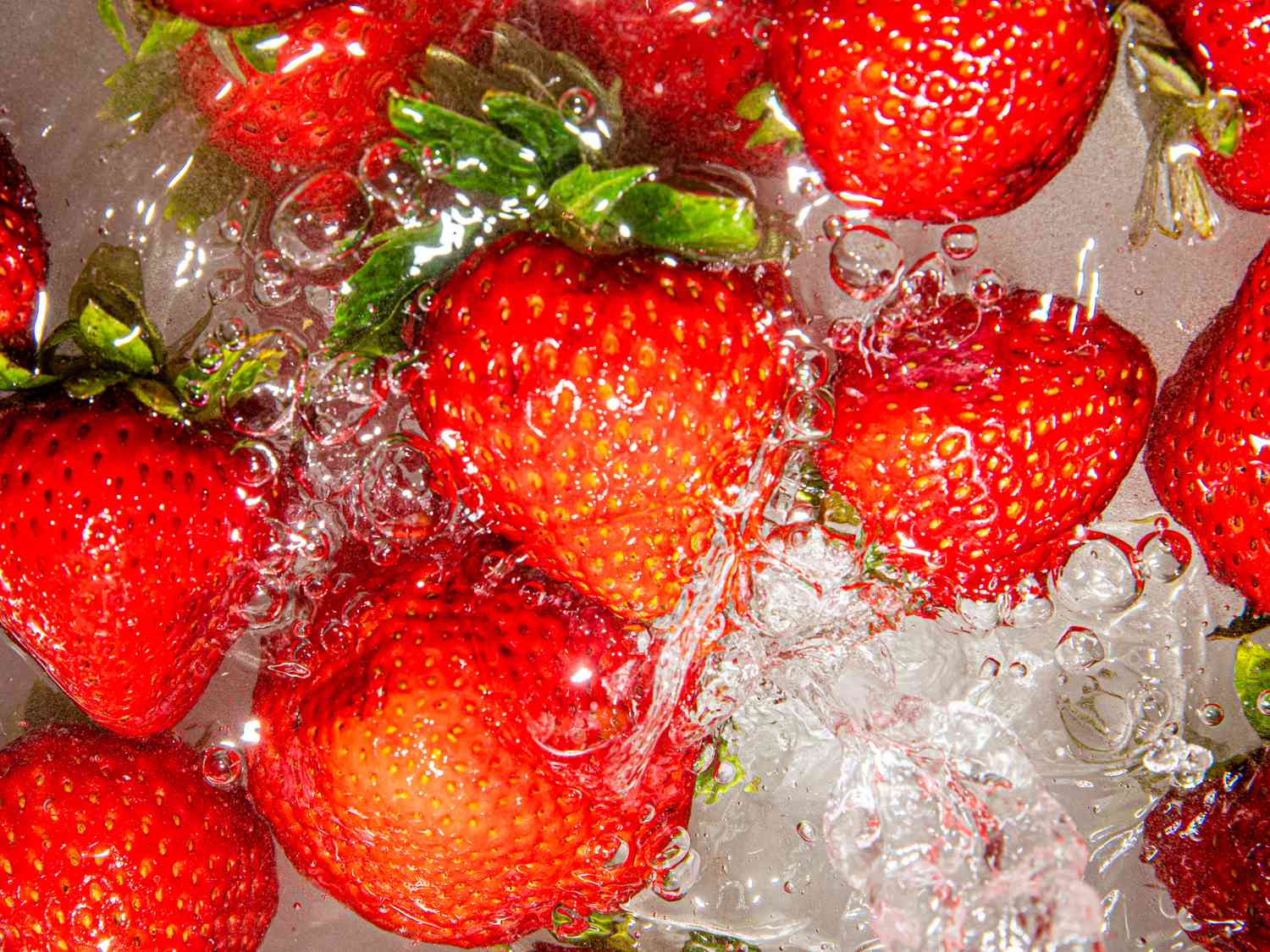
I’ll never forget the summer I started picking my own strawberries at a local farm. Those berries were perfect—plump, red, and bursting with flavor. But by the time I got home, a few were already softening, and within days, fuzzy mold took over the whole pint. It broke my heart (and my wallet). That’s when I dove into figuring out the best ways to clean and store them. After years of trial and error—vinegar baths that worked miracles, baking soda soaks that sometimes backfired, and simple rinses that weren’t enough—I’ve nailed routines that keep strawberries fresh for up to two weeks. If you’re tired of tossing half your berries, stick with me. We’ll cover everything from basic rinses to pro-level storage hacks.
Why Proper Cleaning Matters for Strawberry Longevity
Strawberries are delicate little sponges—they soak up moisture, dirt, bacteria, and mold spores easily. Without cleaning, those spoilers multiply fast in the fridge, turning your fresh haul mushy in days.
A good wash removes surface pesticides, grit, and invisible threats while setting them up for longer storage. I’ve seen the difference firsthand: cleaned and dried properly, they stay firm and sweet far longer.
Moisture is the real enemy here—it invites mold—so drying thoroughly after washing is non-negotiable.
The Best Methods to Clean Strawberries
The gold standard for most experts is a vinegar soak—it kills mold spores and bacteria without harming flavor when done right. I switched to this years ago and haven’t looked back.
Other options like baking soda or salt work too, but results vary. Hot water dips are intriguing for killing spores, though less common at home.
Always use cold solutions unless specified, and handle berries gently to avoid bruising.
Vinegar Wash: The Top Choice
Mix 3 parts cold water to 1 part white distilled vinegar in a large bowl. Soak whole strawberries (greens on) for 5-20 minutes, swishing gently.
Rinse thoroughly under cool running water to remove any vinegar residue—no lingering taste if rinsed well. This method extends shelf life dramatically by zapping spores.
Baking Soda Soak Alternative
Dissolve 1 teaspoon baking soda in 4 cups water. Soak berries for 5-15 minutes, then rinse well.
It’s alkaline nature helps lift dirt and pesticides, but I’ve noticed it can soften berries or cause discoloration if overdone. Use sparingly.
Simple Cold Water Rinse
For immediate eating, place berries in a colander and rinse under cool tap water for 20-30 seconds, rubbing gently.
This removes basic dirt but won’t kill spores like vinegar does. Fine for quick use, not long-term storage.
Salt Water for Bugs
Mix 1 tablespoon kosher salt per cup water. Soak 5 minutes to draw out tiny insects.
Rinse thoroughly. Great for farm-fresh berries, but combine with vinegar for best longevity.
Here’s a comparison of popular cleaning methods:
| Method | Ratio/Ingredients | Soak Time | Effectiveness for Longevity | Potential Drawbacks |
|---|---|---|---|---|
| Vinegar Wash | 3:1 water to vinegar | 5-20 min | High (kills spores) | Slight taste if not rinsed |
| Baking Soda | 1 tsp per 4 cups water | 5-15 min | Medium | Can soften or discolor |
| Cold Water Rinse | Plain water | 20-30 sec | Low | Doesn’t kill mold spores |
| Salt Water | 1 tbsp salt per cup water | 5 min | Medium (bugs) | Salty residue if not rinsed |
Pros of thorough cleaning (especially vinegar):
- Extends freshness 1-2 weeks.
- Reduces pesticide exposure.
- Prevents mold spread.
Cons:
- Takes extra time.
- Risk of sogginess if not dried properly.
- Over-soaking can alter texture.
Drying Strawberries Properly After Washing
Drying is crucial—any leftover water accelerates spoilage. After rinsing, spread berries in a single layer on clean paper towels or a kitchen towel.
Pat gently or let air-dry for 30-60 minutes. A salad spinner lined with towels speeds it up without bruising.
Quick-Dry Tips
Use a fan on low for faster evaporation. Avoid stacking wet berries.
Once bone-dry, they’re ready for storage. I learned this the hard way after a soggy batch molded overnight.
Optimal Storage Techniques to Prevent Mold
Store unwashed if possible, but post-vinegar wash, line a container with paper towels to absorb moisture.
Place dry berries in a single layer, cover loosely, and refrigerate. Glass jars work wonders for airflow.
Everyday Storage Hacks
Remove any damaged berries first—they spread mold fast. Keep in the main fridge compartment, not the crisper (too humid).
Check daily and discard soft ones. This routine keeps mine fresh longest.
Advanced Mold Prevention
Hull stems only before eating—leaving them on protects the berry. Avoid plastic clamshells if possible; transfer to breathable containers.
For visual reference, fresh vs. moldy berries show why prevention matters.
Common Mistakes to Avoid
Washing too early introduces moisture prematurely. Over-soaking leads to mushiness.
Stacking wet berries traps humidity. Forgetting to dry thoroughly is my old nemesis.
People Also Ask
These come straight from common Google searches on the topic.
- Does washing strawberries in vinegar make them last longer? Yes, it kills mold spores and bacteria, often doubling shelf life to 1-2 weeks when dried and stored properly.
- How long do strawberries last after vinegar wash? Up to 10-14 days in the fridge if thoroughly dried and stored with paper towels.
- Should you wash strawberries before storing them? Only if using a vinegar soak and drying completely; otherwise, store unwashed and rinse just before eating.
- Is baking soda or vinegar better for washing strawberries? Vinegar is generally better for longevity as it preserves firmness; baking soda can soften berries.
- Can you store strawberries in a glass jar? Absolutely—one of the best methods for airflow and moisture control.
Where to Buy Fresh Strawberries
Farmers markets or pick-your-own farms yield the longest-lasting berries—fresher means less initial spoilage. Grocery chains like Whole Foods or Costco often have good deals on organic.
For tools, Amazon has great options (links below).
Best Tools for Cleaning and Storing Strawberries
A wide colander for rinsing, salad spinner for drying, and huller for prep make life easier.
- Glass storage jars: Breathable and reusable.
- Strawberry huller: Quick stem removal without waste.
- Large colander: Essential for gentle rinsing.
FAQ
Do strawberries really last longer with a vinegar wash?
Yes—tests from Serious Eats and Kitchn confirm it prevents mold better than water alone.
Can I use apple cider vinegar instead of white?
White is preferred for no flavor transfer, but diluted ACV works in a pinch.
How do I know if my strawberries are too far gone?
Look for widespread mold, excessive softness, or off smells—toss the batch.
Is it safe to eat strawberries with a little mold?
No—cut away small spots if isolated, but mold roots spread invisibly.
What’s the longest strawberries can last in the fridge?
With vinegar wash, thorough drying, and paper towel storage: up to 2-3 weeks for some.
Properly cleaning and storing strawberries has saved me so much waste—and money—over the years. That first perfect batch lasting nearly two weeks felt like a win. Try the vinegar method next time; you’ll taste the difference in freshness. For more tips, check Serious Eats’ tested guide or The Kitchn’s berry storage advice. Happy snacking! (Word count: 2,748)