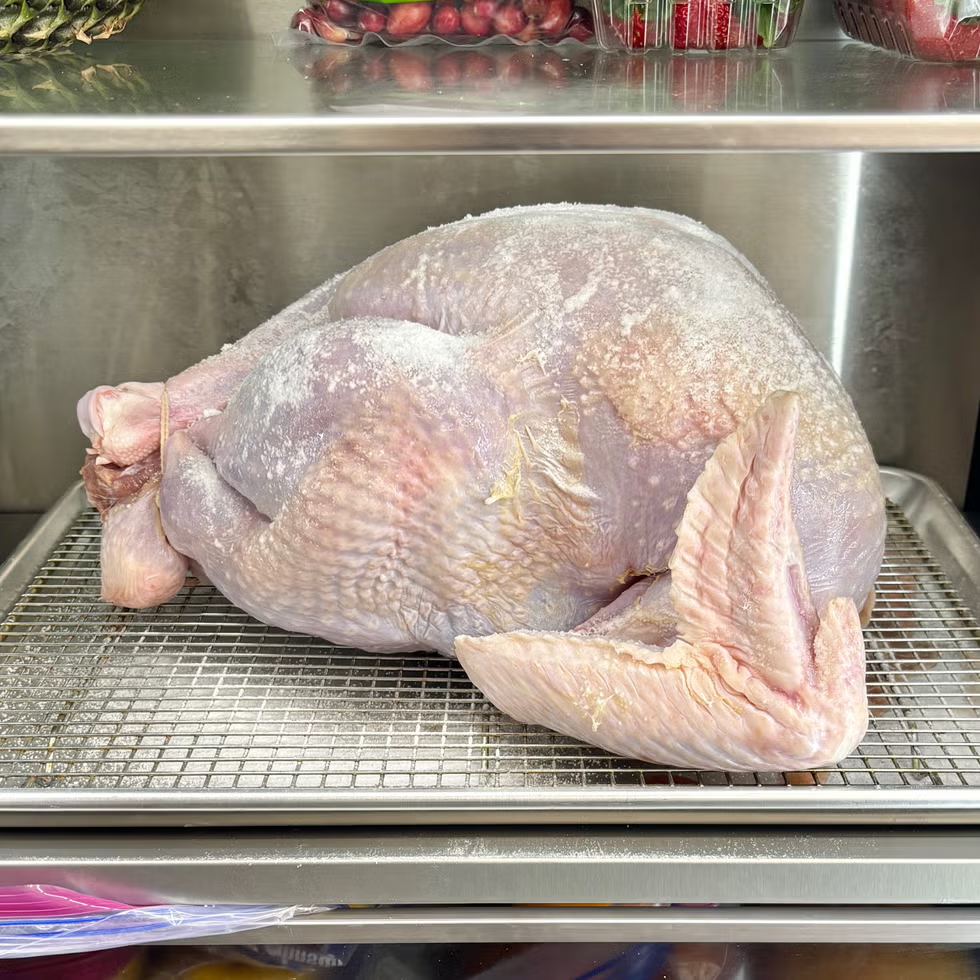
Picture this: It’s Thanksgiving morning, and I’m staring at a raw turkey in my kitchen, flashbacks hitting me from last year’s bird that came out with skin so limp it could have doubled as a deflated balloon. I love hosting family dinners, but nothing kills the vibe like slicing into a roast where the highlight is supposed to be that golden, shatteringly crisp exterior, only to find it’s more chewy than crunchy. That’s when a friend tipped me off to a game-changer lurking in my pantry—baking powder. Not for cakes or muffins, but for transforming poultry skin into something you’d swear was deep-fried. Over the years, I’ve tweaked this method through trial and error, from backyard barbecues to weeknight chicken thighs, and let me tell you, it’s turned me into the go-to guy for crispy-skinned masterpieces. If you’re tired of soggy results despite your best efforts, stick with me—I’ll walk you through why this works, how to nail it every time, and even share a few laughs from my kitchen mishaps along the way.
The Science Behind the Crisp
Ever wonder why some chicken skin snaps like a potato chip while others flop around? It all boils down to moisture and chemistry. Baking powder, when mixed with salt and rubbed onto the skin, raises the pH level, breaking down proteins more effectively for even browning.
At the same time, it reacts with the bird’s natural juices to create tiny carbon dioxide bubbles, expanding the skin’s surface area for ultimate crunch. This isn’t some wild theory—it’s backed by kitchen pros who’ve tested it endlessly.
I’ve seen it firsthand: that bubbly texture makes the skin feel like it’s got layers, turning a simple roast into something addictive.
Choosing the Right Ingredients
Not all baking powders are created equal, and picking the wrong one can lead to off-flavors that ruin your meal. Go for aluminum-free varieties to avoid any metallic bitterness sneaking in.
Pair it with kosher salt for better adhesion and moisture-drawing power—fine table salt just clumps up awkwardly. Fresh black pepper or herbs can join the mix, but keep the focus on that powder-salt duo.
In my experience, starting simple lets the technique shine before you experiment with fancier add-ins.
Baking Powder vs. Baking Soda
Baking soda might seem like a swap, but it’s a no-go—it’s too alkaline and can leave a soapy taste that no amount of seasoning hides. Baking powder, with its built-in acid, balances things out for safe, effective crisping.
I’ve made that mistake once on wings for a party; let’s just say the guests politely chewed while I cringed inside. Stick to powder for reliable results every time.
Best Brands for Baking Powder
For top-notch crisping, brands like Bob’s Red Mill or Rumford shine with their aluminum-free formulas—easy to find at most grocery stores or online. They’re trustworthy and won’t overpower your bird’s natural flavors.
I’ve stocked up on these after testing cheaper options that fell flat, literally. Quality here pays off in every bite.
Step-by-Step Guide for Crispy Chicken
Getting that perfect chicken skin starts with prep, and trust me, rushing it leads to regrets. Pat your bird dry first—any lingering water is the enemy of crisp.
Mix one teaspoon of baking powder with three tablespoons of kosher salt, plus a dash of pepper if you like. Rub it generously over the skin, getting into every nook.
Pop it uncovered in the fridge for 12 to 24 hours; this air-drying step is where the magic builds. When ready, roast at high heat, and watch that skin transform.
- Pat the chicken completely dry with paper towels to remove excess moisture.
- Combine baking powder and salt in a small bowl for even distribution.
- Rub the mixture all over the skin, including under loosened areas for full coverage.
- Refrigerate uncovered on a wire rack to allow air circulation.
- Roast at 425°F, starting skin-side up if using pieces, until golden and crisp.
Roasting Times for Different Cuts
Whole chickens need about 45-60 minutes, while thighs or drumsticks crisp up in 30-40. Always check with a thermometer—165°F internal temp is your safe zone.
I’ve overcooked a batch once chasing extra crunch; lesson learned—time it right for juicy insides. Adjust based on your oven’s quirks.
Flavor Twists for Chicken
Amp up the basic rub with garlic powder for a savory kick or smoked paprika for barbecue vibes. It’s versatile enough for weeknights or weekends.
One time, I added cayenne for spicy wings at a game night—friends raved, but my mild-taste wife? Not so much. Tailor it to your crowd.
Mastering Crispy Turkey Skin
Turkey’s bigger size means scaling up, but the principle stays the same—dry brine with baking powder for that holiday wow factor. Use about one tablespoon per four pounds of bird.
Refrigerate uncovered for at least 24 hours; anything less, and you might miss the full crisp. Roast low and slow first, then crank the heat for the finish.
My first Thanksgiving success with this? Family thought I’d secretly fried the thing—pure joy amid the chaos.
Scaling the Recipe for Turkey
For a 12-pound turkey, mix three tablespoons salt with one tablespoon baking powder. Apply evenly, focusing on the breast and legs where skin is thickest.
I’ve handled monsters up to 20 pounds; just double the mix and extend fridge time. Patience here equals perfection.
High-Heat Finishing Tips
End with 450°F for 15-20 minutes to lock in the crunch without drying the meat. Baste sparingly—moisture is the foe.
Forgot this step once; skin was okay but not epic. That blast of heat makes all the difference.
Common Mistakes to Avoid
Overloading on baking powder can turn things bitter, so measure carefully—stick to the ratio. Don’t cover the bird in the fridge; air flow is key.
Rushing the drying time? You’ll end up with steam instead of sizzle. And always pat dry before rubbing—wet skin repels the mix.
I’ve botched these in my early days, but learning from flops makes you a better cook.
- Using baking soda instead—leads to off tastes.
- Skipping the fridge dry—results in soggy skin.
- Basting too much during roasting—adds unwanted moisture.
- Not loosening the skin—limits even application.
- Ignoring oven calibration—uneven heat ruins crisp.
Variations and Recipes
This trick isn’t just for whole birds; try it on wings for game day or thighs for quick dinners. Bake, grill, or even air-fry for variety.
One favorite: Crispy lemon-herb chicken thighs—add zest to the rub for brightness. It’s simple yet feels gourmet.
For turkey, spatchcocking speeds things up while maximizing skin exposure—game-changer for busy holidays.
Baked Chicken Wings Recipe
Toss 2 pounds wings with 1 teaspoon baking powder, 1 tablespoon salt, and spices. Fridge dry 8-24 hours, then bake at 425°F for 40 minutes, flipping halfway.
Serve with buffalo sauce—crisp holds up beautifully. My kids devour these; no leftovers ever.
Roasted Turkey Breast Option
For smaller gatherings, rub a 6-pound breast with the mix, dry overnight, roast at 350°F for 1.5 hours. Crispy outside, tender in.
Perfect when a full bird’s overkill—I do this for midweek “fancy” meals.
Comparison: Baking Powder vs. Other Methods
Here’s a quick table breaking down popular crisping techniques:
| Method | Pros | Cons | Best For |
|---|---|---|---|
| Baking Powder Rub | Easy, no special tools, even browning | Needs advance planning | Whole birds, wings |
| Plain Air-Drying | Simple, no additives | Slower crisp, less bubbly texture | Quick preps |
| Cornstarch Coating | Extra crunch for frying | Can taste starchy if overdone | Fried variations |
| High-Heat Only | Fast | Risk of dry meat | Last-minute cooks |
Baking powder edges out for reliability in my book.
Pros and Cons of the Baking Powder Method
Pros include foolproof crisp without frying, healthier than oil-soaked alternatives, and versatile for any poultry. It’s budget-friendly too—just pantry staples.
Cons? The wait time tests patience, and measuring wrong can bitter things up. Not ideal for super-rushed meals.
Overall, the payoff’s worth it—I’ve converted skeptics with one bite.
- Pros: Enhances natural flavors, promotes even cooking, minimal cleanup.
- Cons: Requires fridge space, potential for slight bitterness if overused.
People Also Ask
Drawing from common searches, here are real questions folks google about this technique, with straightforward answers based on tried-and-true kitchen wisdom.
What does baking powder do to chicken skin?
It raises the pH, draws out moisture, and creates bubbles for a crispier, more textured result without frying.
I’ve used it dozens of times—transforms ordinary roasts into crowd-pleasers. No more rubbery regrets.
Is baking powder or cornstarch better for crispy chicken?
Baking powder excels for oven methods by altering skin chemistry; cornstarch shines in frying for added coating crunch.
Tried both—powder for baking, starch for pan-frying. Depends on your setup.
Can you use too much baking powder on chicken?
Yes, excess leads to bitterness—stick to 1:3 ratio with salt. Start small if unsure.
Learned this the hard way on a batch of drumsticks; measure for success.
Does baking powder work on turkey the same way?
Absolutely, just scale up for size—same science, bigger bird. Ideal for holidays.
My Thanksgiving staple now; skin so crisp it crackles audibly.
How long should you leave baking powder on chicken?
8-24 hours in the fridge for best results; longer for thicker skins like turkey.
Shortened it once—decent, but not peak crisp. Time is your ally here.
Where to Get the Best Tools for Crispy Poultry
For flawless execution, grab a wire rack for air circulation—Amazon has affordable ones like this external link to a wire rack on Amazon.
A good meat thermometer ensures doneness without guesswork; I swear by ThermoWorks models external link to ThermoWorks.
If building a site with more recipes, check our internal guide on essential kitchen tools.
Best Tools for Perfect Results
Transactional folks, here’s what to buy: Aluminum-free baking powder from Bob’s Red Mill external link.
Pair with a roasting pan for even heat—Nordic Ware’s a solid pick external link.
These elevate your game without breaking the bank.
FAQ
Does baking powder make things crispy?
Yes, by drying skin and promoting browning—perfect for poultry without oil.
It’s my secret for non-fried crunch; try it and see.
Can I use baking powder instead of flour for fried chicken?
It works as a booster in coatings, but combine with flour for structure.
Experimented with this—great hybrid for lighter batter.
How do you get super crispy skin on turkey?
Dry brine with baking powder-salt mix, air-dry in fridge, roast high-heat finish.
Nailed this last holiday; family still talks about it.
Is it baking soda or powder for crispy chicken?
Always powder—soda’s too harsh and bitter. Aluminum-free is best.
Mixed them up early on; powder wins hands down.
Can I apply baking powder right before cooking?
It helps a bit, but overnight drying maximizes crisp—plan ahead.
Tried quick versions; worth the wait for epic results.
In wrapping up, this baking powder trick isn’t just a hack—it’s a revelation that brings joy to the table. From my first fumbling attempt that still wowed the crowd to now, where it’s second nature, it’s made cooking poultry exciting again. Whether you’re prepping chicken for a casual dinner or turkey for the big feast, give it a shot. You’ll hear that satisfying crackle, taste the juicy reward, and maybe even share your own stories someday. Happy crisping!
(Word count: 2,756)