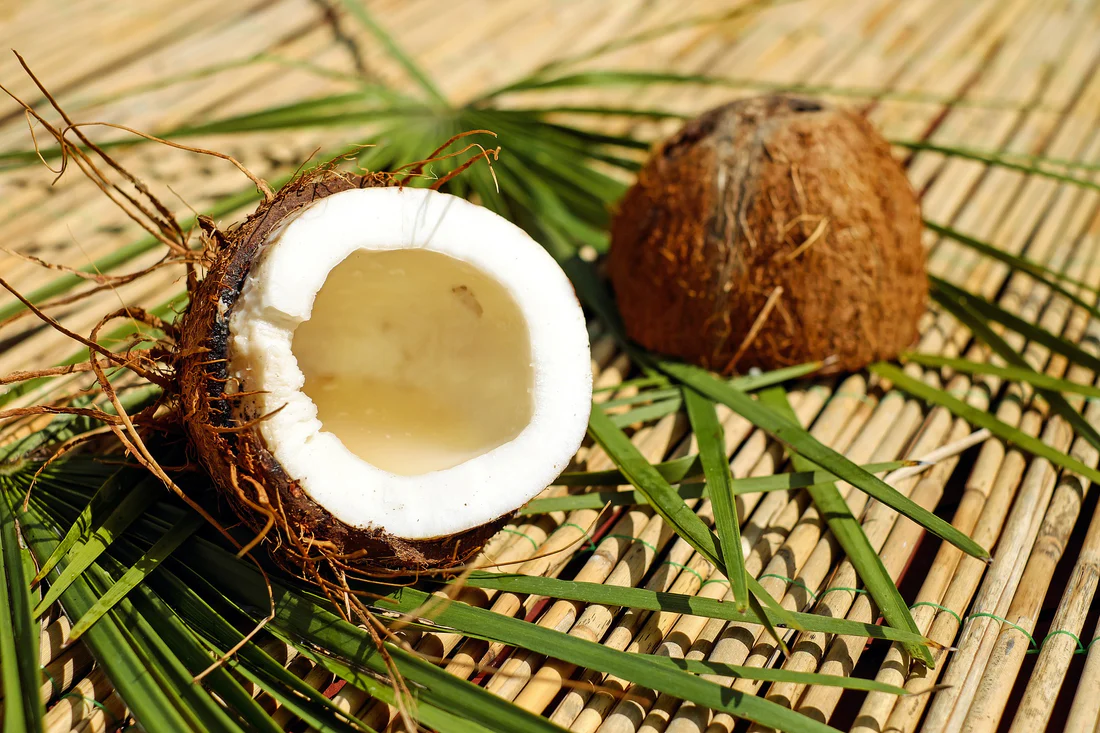
I’ll never forget the day I cracked open my first fresh coconut on a beach in Hawaii back in 2015. My friend handed me a machete, showed me how to hack off the husk, and there it was—this massive, hairy green thing revealing the familiar brown shell inside. I thought, “Okay, big nut.” But then she laughed and said, “It’s not a nut—it’s more like a giant peach with a hard pit.” That stuck with me, especially years later when I dove deeper into botany for a gardening project. Turns out, she was spot on. Coconuts have fooled us all with that “nut” in the name, but science tells a different story. If you’ve ever wondered why coconuts don’t fit neatly with walnuts or almonds, or felt confused shopping for “nut-free” options, you’re not alone. Let’s unpack this tropical mystery—it’s fascinating, a bit surprising, and might just change how you see your next piña colada.
The Common Misconception About Coconuts
Most of us call coconuts nuts because of their hard shell, the way we crack them open, and even the word “nut” baked into the name. In recipes, they’re tossed in with almonds and pecans as snacks or toppings. But this everyday label hides a botanical truth that’s been confusing people for centuries.
Why the “Nut” Label Stuck
Explorers like Portuguese sailors in the 1500s saw the three “eyes” on the shell and dubbed it “coco,” meaning grinning face or skull—nothing to do with nuts initially. Over time, though, the hard, edible seed inside made it a culinary nut, much like how we call peanuts nuts despite them being legumes.
Culinary vs. Botanical Classification
In the kitchen, coconuts act like nuts—high fat, crunchy when dried, perfect for trail mix. But botany doesn’t care about recipes; it looks at plant structure and reproduction. This gap causes endless debates, especially around allergies.
Botanical Truth: Coconuts Are Drupes
Botanically, a coconut is a fibrous one-seeded drupe, a type of fruit with three distinct layers: outer skin (exocarp), fibrous husk (mesocarp), and hard shell (endocarp) protecting the seed. Drupes are stone fruits, and coconuts fit perfectly—even if their “stone” is extra tough.
What Exactly Is a Drupe?
Drupes develop from a single ovary with a fleshy or fibrous middle surrounding a hard pit containing one seed. Classic examples include peaches (juicy flesh), olives (oily), and mangoes (sweet pulp). The coconut’s husk is just a dry, fibrous version of that middle layer.
Coconut’s Unique Structure
Fresh off the tree, coconuts are green with a smooth exocarp and thick, buoyant mesocarp for ocean travel. We buy the de-husked endocarp—the “shell”—with white meat (endosperm) and water inside nourishing the seed.
Why Coconuts Are Closer to Peaches Than Walnuts
Slice open a peach: juicy flesh around a woody pit with a seed inside. Now imagine that flesh turning fibrous and buoyant—that’s a coconut. Both are drupes sharing the same layered blueprint from flower to fruit.
Structural Similarities with Peaches
Peaches have thin skin, edible mesocarp, and a pit (endocarp). Coconuts swap juicy for fibrous mesocarp, but the architecture matches: outer protection, middle layer, inner stone safeguarding the seed.
Key Differences from True Nuts
True nuts like walnuts or hazelnuts are dry, hard-shelled fruits that don’t split open—the entire wall is the shell, no fleshy layer. Walnuts grow in a green husk that splits, but the nut itself is indehiscent.
Comparison: Coconut vs. Peach vs. Walnut
| Feature | Coconut (Drupe) | Peach (Drupe) | Walnut (True Nut) |
|---|---|---|---|
| Outer Layer | Fibrous husk (mesocarp) | Juicy flesh (mesocarp) | Green husk (splits off) |
| Middle/Edible Part | White meat (endosperm) | Fleshy fruit | None (shell is the fruit wall) |
| Inner Shell | Hard endocarp | Woody pit | Hard shell (entire pericarp) |
| Seed Release | Sprouts from pores | Pit discarded | Doesn’t open naturally |
| Botanical Type | Fibrous drupe | Fleshy drupe | Dry nut |
This breakdown shows coconuts and peaches as family, while walnuts stand apart.
Nutritional Profile: More Fruit-Like Than Nut-Like
Coconuts pack healthy fats like other “nuts,” but their carbs, fiber, and minerals align closer to fruits. They’re rich in manganese, copper, and electrolytes from coconut water—great for hydration.
Key Nutrients in Coconut
Fresh meat offers medium-chain triglycerides (MCTs) for quick energy, plus fiber for digestion. Unlike low-carb nuts, coconut has natural sugars, especially young ones.
How It Stacks Up
Tree nuts like walnuts boast omega-3s and protein; stone fruits like peaches provide vitamins C and A. Coconuts bridge both—fats from “nuts,” hydration and fiber from fruits.
Pros and Cons of the Drupe Classification
Understanding coconuts as drupes clears confusion but highlights quirks.
Pros of Knowing the Truth
- Avoids allergy mix-ups: Most tree-nut allergics tolerate coconut safely.
- Appreciates versatility: From water to oil, it’s a full fruit package.
- Explains buoyancy: Fibrous husk aids ocean dispersal.
Cons or Lingering Confusions
- Culinary habits persist: Still grouped with nuts in stores.
- Allergy labeling varies: Some caution remains.
- Name sticks: “Coconut” from old folklore, not botany.
Health and Allergy Implications
Good news for nut-allergy folks: Coconuts rarely cross-react with true tree nuts. Recent updates reflect this—coconut isn’t always a major allergen botanically.
Coconut Allergies Are Rare
Reactions happen but aren’t linked to walnut or almond proteins. Always consult a doctor, though.
Benefits for Everyone
MCTs support metabolism; water hydrates better than sports drinks in some studies. I’ve swapped it in for energy boosts during hikes—no crashes.
People Also Ask (PAA) Section
Common searches reveal the widespread curiosity—here are real questions with clear answers.
Is a coconut a nut or a fruit?
Botanically, it’s a fruit—a drupe. Culinally, often treated as a nut.
Why is coconut considered a drupe?
It has three layers: exocarp, fibrous mesocarp, and hard endocarp around a seed.
Are coconuts safe for nut allergies?
Usually yes—separate proteins from true nuts like walnuts.
What fruits are drupes like coconut?
Peaches, plums, cherries, olives, mangoes—all stone fruits.
Why do we call it a coconut?
From Portuguese “coco” for skull, due to the shell’s face-like marks.
Where to Buy Fresh Coconuts
Look for young green ones at Asian markets or online from Melissa’s Produce. Mature brown at most grocers. For tools, a coconut opener from Amazon makes cracking easy.
Best Tools for Opening Coconuts
A sturdy machete or dedicated opener like the Coco Jack. For water, poke with a drill or screwdriver.
FAQ
Is coconut a true nut botanically?
No—it’s a drupe, not indehiscent like acorns or hazelnuts.
Can coconuts float because they’re drupes?
Yes—the fibrous mesocarp buoys them across oceans for dispersal.
What’s the difference between coconut meat and flesh in drupes?
Coconut “meat” is solid endosperm; in peaches, flesh is mesocarp.
Are almonds drupes too?
Yes—almond “nut” is the pit’s seed, like a tiny peach.
Why does the name have “nut”?
Historical misnomer from appearance and use, not science.
That Hawaiian beach moment sparked a fascination that’s lasted years—coconuts aren’t just delicious; they’re evolutionary marvels designed for survival. Next time you sip coconut water or grate fresh meat, remember: you’re enjoying a stone fruit closer to a peach than a walnut. Nature’s full of these quirky truths. Grab a fresh one, give it a crack (safely!), and taste the difference knowing the real story. Cheers to the tree of life!