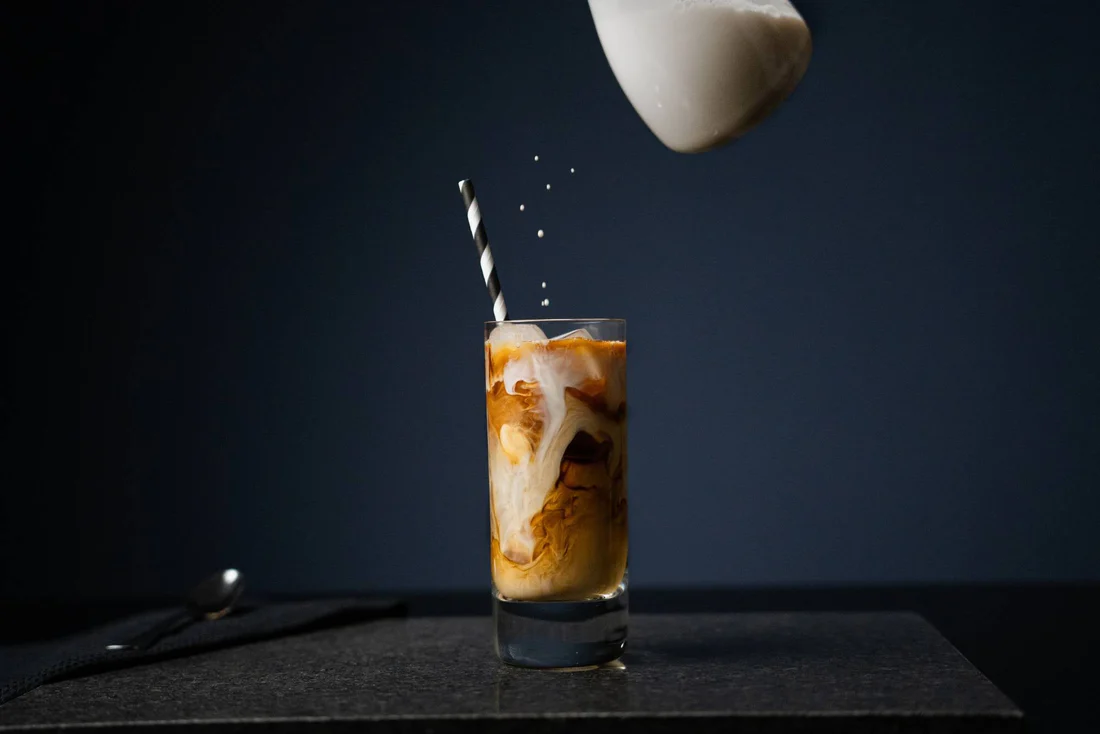
I still remember my first sip of cold brew coffee on a sweltering summer afternoon in 2018, during a road trip through Portland. I’d wandered into a quirky little cafe, parched and skeptical about anything not piping hot from my usual drip machine at home. The barista handed me this smooth, chocolatey elixir over ice—no bitterness, just pure refreshment. It was a game-changer, turning me from a hot coffee purist into a cold brew enthusiast who now experiments in my own kitchen weekly. If you’re curious about diving into this chilled world, whether to beat the heat or upgrade your caffeine routine, this guide has you covered. We’ll explore everything from its origins to homemade hacks, with tips drawn from years of trial and error in my brewing adventures.
What Is Cold Brew Coffee?
Cold brew coffee is essentially coffee steeped in cold or room-temperature water for an extended period, usually 12 to 24 hours, resulting in a concentrated brew that’s smooth and less acidic than traditional hot methods. Unlike quick pours, it extracts flavors slowly, highlighting subtle notes like nuts or fruit without the harsh bite. It’s versatile too—dilute it for a classic iced drink or mix into cocktails for a twist.
How It Differs from Iced Coffee
Iced coffee starts with hot-brewed coffee cooled over ice, which can taste watered down and more acidic as the heat pulls out bitter compounds faster. Cold brew skips the heat entirely, leading to a bolder, sweeter profile that’s easier on the stomach. In my experience, switching to cold brew meant fewer afternoon jitters and more consistent energy.
The Science Behind the Brew
The cold extraction process minimizes oxidation and acid release, preserving antioxidants and caffeine while reducing chlorogenic acids that cause stomach upset. Studies show it can have up to 70% less acidity, making it ideal for sensitive sippers. I’ve noticed this firsthand—my usual post-coffee heartburn vanished after making the switch.
The History of Cold Brew Coffee
Cold brew’s roots trace back to the 1600s in Japan, where Dutch traders introduced a cold-steeping method inspired by tea practices, evolving into the elegant Kyoto-style drip we see today. It gained traction in the U.S. during the 1960s with the Toddy system, but exploded in popularity around 2010 thanks to craft coffee shops. What started as a niche preservation technique for sailors has become a global staple in modern cafes.
Origins in Japan and Beyond
In Kyoto, slow-drip towers produce crystal-clear brews, a tradition honed over centuries for purity and flavor depth. Europeans adapted it for long voyages, concentrating coffee without fire risks aboard ships. This history adds a layer of romance to each glass I pour at home.
Modern Revival in the Coffee Scene
The 21st-century boom ties to third-wave coffee movements emphasizing quality and innovation, with brands like Stumptown pioneering nitro-infused versions. By 2026, it’s a multibillion-dollar industry, blending heritage with tech like app-controlled brewers. My own journey mirrors this—starting simple, now geeking out over ratios.
Benefits of Cold Brew Coffee
Beyond its refreshing taste, cold brew packs health perks like higher antioxidant levels that support heart health and metabolism. It’s gentler on digestion, potentially lowering risks of acid reflux or enamel erosion from hot brews. Plus, the concentrated form means customizable strength without extra calories if you skip the sweeteners.
Health Advantages Over Hot Coffee
Research links moderate coffee intake to reduced diabetes and liver disease risks, and cold brew retains more beneficial compounds due to less heat degradation. I’ve felt more focused during long workdays, attributing it to steady caffeine release without crashes.
Why It’s Easier on the Stomach
With 60-70% less acidity, it’s a boon for those with GERD or sensitive guts—my partner, who used to avoid coffee altogether, now enjoys it daily. The smoother profile also means less need for milk or sugar to mask bitterness.
Boosting Your Daily Routine
Cold brew’s higher caffeine content per ounce can enhance workouts or productivity, but start slow to avoid overdoing it. Emotionally, that first chilled sip feels like a mini vacation, turning mundane mornings into something special.
How to Make Cold Brew Coffee at Home
Making cold brew at home is straightforward and forgiving—grind beans coarsely, mix with water, steep, strain, and enjoy. No fancy gear needed initially; a mason jar works wonders for beginners. The key is patience, as the magic happens during that long soak, yielding a concentrate that lasts days in the fridge.
Choosing the Right Beans and Grind
Opt for medium to dark roasts with chocolate or nutty notes, as they shine in cold extraction—avoid light roasts that can taste sour. Grind to a coarse texture like sea salt to prevent over-extraction and bitterness. I’ve ruined batches with fine grinds, turning them murky and harsh.
Step-by-Step Brewing Process
Start with a 1:4 ratio of coffee to water for concentrate—say, 1 cup grounds to 4 cups filtered water in a jar. Stir gently, cover, and let steep at room temp for 12-18 hours. Strain through cheesecloth or a fine sieve, then dilute 1:1 with water or milk when serving.
Common Mistakes to Avoid
Don’t rush the steep; under 12 hours yields weak brew, while over 24 can turn bitter. Use room-temp water instead of fridge-cold for better extraction. Always filter twice to remove sediment—my early attempts left gritty surprises at the bottom.
- Measure precisely: Use a kitchen scale for consistent results.
- Experiment with times: Try 16 hours for balanced flavor.
- Store smart: Keep concentrate in glass bottles for up to two weeks.
Best Cold Brew Coffee Makers for 2026
For effortless brewing, top picks include the OXO Good Grips Cold Brew Maker for its compact design and easy cleanup, or the KitchenAid model for larger batches. These gadgets simplify straining and storage, perfect if you’re brewing weekly like me. Prices range from $30 for basic jars to $150 for advanced systems with filters.
Top Budget Options
The Ovalware RJ3 offers airtight sealing and a fine mesh filter for under $50, ideal for small households. It’s durable and brews smooth concentrate without fuss. I started with something similar and still use it for travel.
Premium Makers Worth the Splurge
The Cumulus Coffee Machine uses pods for nitro-style cold brew, mimicking cafe quality at home around $200. For traditionalists, the Toddy System excels in large-volume production with minimal effort.
Features to Look For
Seek BPA-free materials, adjustable steep times, and dishwasher-safe parts for convenience. Capacity matters—1-quart for singles, 2-quart for families. Read reviews on sites like Amazon for real-user insights.
Cold Brew Coffee Recipes and Variations
Once you’ve got your concentrate, get creative: mix with tonic for a fizzy twist or blend into smoothies for a caffeine kick. Classic vanilla cold brew adds syrup and cream for dessert-like indulgence. These recipes elevate basics into barista-level treats without leaving home.
Simple Classic Cold Brew
Dilute 4 ounces concentrate with 4 ounces water over ice, stir in a splash of milk if desired. Sweeten with honey for natural depth. This is my go-to for busy mornings—quick and satisfying.
Flavored Infusions and Mixes
Infuse with cinnamon sticks during steeping for warmth, or add lavender for a floral note. Try a mocha version with cocoa powder—my kids love it as a non-alcoholic treat on weekends.
Seasonal Twists for Year-Round Enjoyment
In fall, spike with pumpkin spice; summer calls for citrus zests. For holidays, a peppermint mocha cold brew brings cheer. Experimenting keeps things fresh, like when I accidentally discovered ginger adds a spicy zing.
Tips and Tricks for Perfect Cold Brew
Master ratios first—stronger grinds need more water to balance. Agitate midway through steeping for even extraction. Store in the fridge post-brew to maintain freshness, and always use fresh beans for peak flavor.
Optimizing Flavor Profiles
Taste-test at 12 hours and adjust; darker roasts benefit from longer steeps. Add fruits like berries during infusion for natural sweetness. I’ve found Ethiopian beans yield fruity notes that pop in cold brew.
Storage and Shelf Life Hacks
Concentrate lasts 10-14 days refrigerated; freeze in ice cubes for longer. Use dark bottles to block light and preserve taste. Label batches with dates to avoid surprises.
Troubleshooting Weak or Bitter Brews
If weak, up the coffee amount next time; bitterness means finer grind or over-steep—coarsen it up. Water quality counts—filtered prevents off-flavors. Trial runs helped me nail my signature brew.
Pros and Cons of Cold Brew Coffee
Cold brew shines in convenience and taste but requires planning ahead. Weighing pros like health benefits against cons like time investment helps decide if it’s your brew method.
Pros of Choosing Cold Brew
- Smoother, less acidic taste for all-day sipping.
- Higher caffeine without jitters.
- Versatile for recipes and long storage.
Cons to Consider
- Longer prep time compared to drip.
- Uses more coffee grounds per batch.
- Can be pricier if buying pre-made.
Comparison: Cold Brew vs. Iced Coffee vs. Drip Coffee
| Aspect | Cold Brew | Iced Coffee | Drip Coffee |
|---|---|---|---|
| Brew Method | Cold steep 12-24 hrs | Hot brew, then chill | Hot drip in minutes |
| Acidity Level | Low (60% less) | Medium-high | High |
| Caffeine Content | Higher per oz | Standard | Standard |
| Flavor Profile | Smooth, sweet | Bold, can be bitter | Balanced, aromatic |
| Prep Time | Long | Quick | Quick |
| Best For | Summer drinks | Fast refresh | Daily hot cups |
This table highlights why cold brew stands out for chilled indulgence.
People Also Ask (PAA) Section
Based on common searches around cold brew coffee, here are real questions users often ask on Google, with concise answers grounded in expert insights.
What Is the Difference Between Cold Brew and Iced Coffee?
Cold brew steeps in cold water for hours, yielding smoother flavor; iced coffee is hot-brewed then cooled, often more acidic.
Is Cold Brew Stronger Than Regular Coffee?
Yes, it has more caffeine per ounce due to concentration, but dilution evens it out—adjust to taste.
How Long Does Cold Brew Last in the Fridge?
Up to two weeks if stored properly in an airtight container, though freshest within a week.
Can You Heat Up Cold Brew Coffee?
Absolutely—warm it gently without boiling to preserve smoothness, great for winter mornings.
What Beans Are Best for Cold Brew?
Medium-dark roasts with low acidity, like Colombian or Brazilian, for optimal flavor extraction.
Where to Get Quality Cold Brew Supplies
For beans, check local roasters or online at Counter Culture Coffee (counterculturecoffee.com) for fresh options. Tools like makers are available at Amazon or Williams Sonoma. Pre-made? Starbucks or local cafes offer grab-and-go.
Best Tools and Accessories for Brewing
Invest in a Hario Cold Brew Bottle for easy immersion or a fine-mesh strainer from OXO. Digital scales ensure precision—find them on sites like Thermoworks.com for accurate measurements.
FAQ
How Much Caffeine Is in Cold Brew Coffee?
Typically 200mg per 8oz serving, higher than drip due to concentration—dilute if sensitive.
Can I Make Cold Brew Without a Maker?
Yes, use a jar and cheesecloth—simple and effective for beginners.
What’s the Ideal Ratio for Cold Brew?
1:4 coffee to water for concentrate, then dilute 1:1 for serving.
Is Cold Brew Healthier Than Hot Coffee?
It retains more antioxidants and is less acidic, potentially better for gut health.
How Do I Fix Bitter Cold Brew?
Coarsen the grind or shorten steep time—experiment to find your sweet spot.
Reflecting on that Portland moment, cold brew has become more than a drink—it’s a ritual that slows me down in a fast world. Whether you’re brewing your first batch or refining recipes, embrace the process. It might just spark your own coffee story. Grab some beans, steep away, and savor the chill.